
Cosmetic Dentistry Options in Grand Junction CO

cosmetic dentistry options in grand junction co

Cosmetic Dentistry Options in Grand Junction CO

What Are My Cosmetic Dentistry Options?

cosmetic dentistry options in grand junction co

If you wish to improve the appearance of your smile, you have various options for cosmetic dental work.  Our Cosmetic Dentist in Grand Junction CO explains that cosmetic dentistry is becoming more popular. Thus, few reality programs have shown how a dentist can modify practically anyone’s teeth to give them the smile they want.

Below, our dentist in Grand Junction shares your cosmetic dentistry options in Grand Junction CO.

Cosmetic Dentistry Options

Importantly, not all of the techniques listed below will work for everyone. Thus, your Grand Junction CO dentist can advise you on which approach will work best for improving your smile.

Cosmetic Teeth Whitening

Also known as “teeth bleaching,” this technique helps brighten and whiten your teeth if they are discolored or stained. As follows, it can be done either at the dentist’s office or at home. However, because not everyone’s teeth can be bleached, it’s essential to consult with your dentist beforehand.

Porcelain Veneers

Next, we have veneers. Veneers are thin shells composed of porcelain or composite material that are used in cosmetic dentistry. They are created to order and fastened to the front of the tooth. Our friends over at Gentle Dental, Bethlehem GA Dentist, shares that a veneer can be used to correct dental issues such as a slightly crooked tooth, discolored teeth, chipped teeth, or even gaps between the teeth. Contact us today for porcelain veneers in Grand Junction CO. 

Dental Implants for Cosmetic Purposes

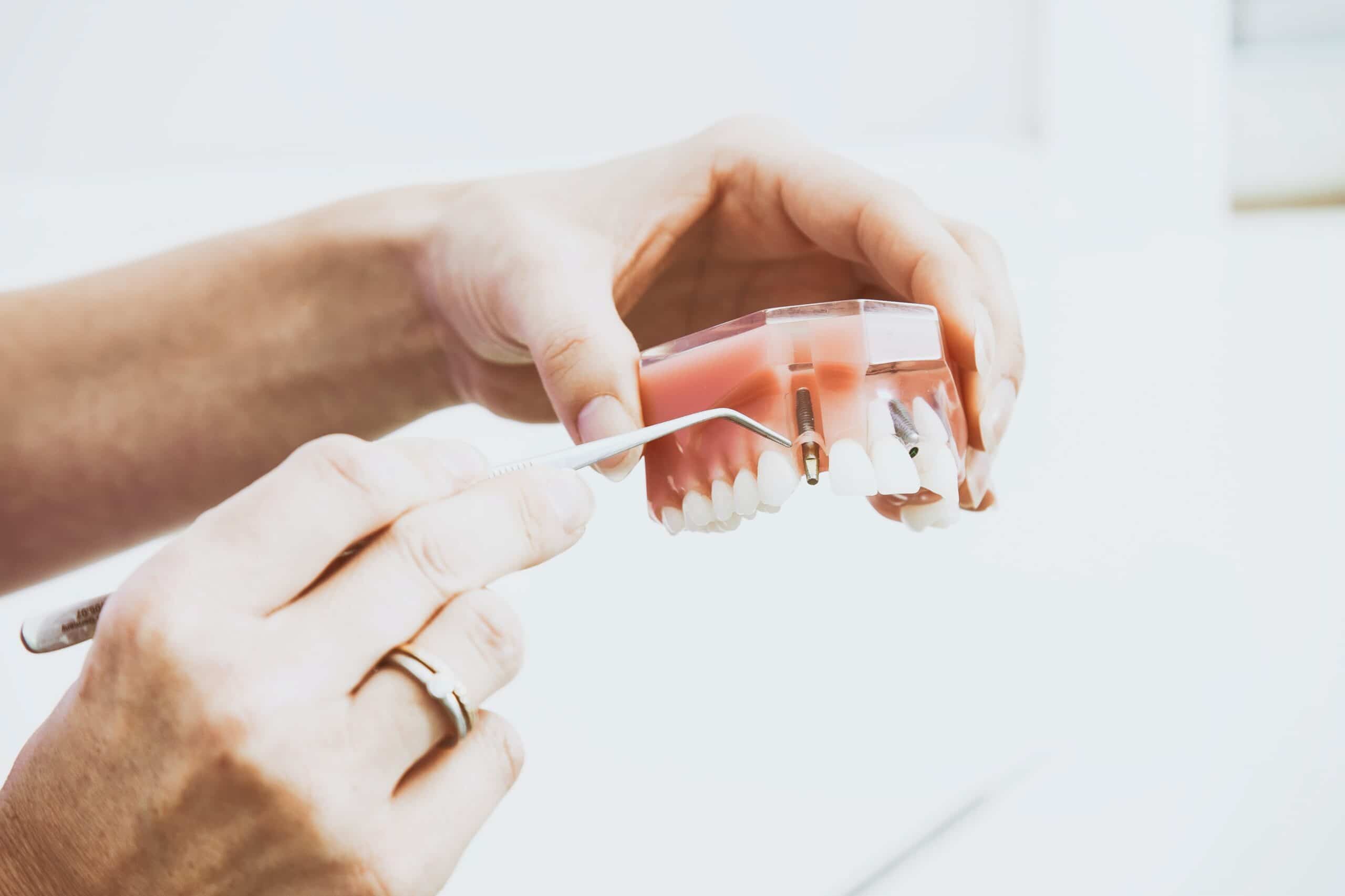
A dental implant Grand Junction CO is a metal device used to replace lost teeth. The device is typically composed of titanium and is surgically implanted into the jawbone where the lost tooth is located. A dental implant is intended to serve as the tooth root and to hold artificial teeth such as a crown, bridge, or denture in place.

Cosmetic Dental Crowns

Crowns, also known as caps, are custom-made to fit over your whole tooth after it has been prepped by your cosmetic dentist. They are often constructed of acrylic or porcelain bonded to metal to withstand biting pressure. Dental crowns in Grand Junction are used in aesthetic dentistry to repair teeth that are poorly formed, significantly damaged, cracked, chipped, or have had big fillings, as well as to fix gaps between teeth.

“At High Desert Dental, we provide the highest standard of cosmetic dentistry in the Grand Junction, CO area. Whether you’re looking to reshape, redesign, or brighten up your smile, we have amazing options for you.” – Dr. Josh Eastham

Contact High Desert Dental For Cosmetic Dentistry Grand Junction CO

Our office is conveniently situated inside The Hillcrest Professional Offices building on Walnut Avenue and N 1st Street. We understand you have many options when it comes to selecting a Grand Junction Dentist for your family, and we appreciate your thought and confidence. Every time, we vow to provide five-star service. , and which process is most suited to your requirements. 

Use Your Dental Benefits

Use Your Dental Benefits Grand Junction CO

Use Your Dental Benefits

Use Your Dental Benefits Before They Expire

Use Your Dental Benefits Grand Junction CO

We look forward to Thanksgiving, Christmas, and, of course, New Year’s Eve as the end of the year approaches. Typically, we are so focused with ringing in the new year that we overlook the fact that our dental insurance policies no longer give any benefits after December 31st. However, our dentist in Grand Junction explains that this means that the insurance will expire if the yearly maximum is not fulfilled. 

Today on the blog, our team dives into why it’s important to use your dental benefits before the end of the year. So, if you’ve been searching “dentist near me” and need to get seen ASAP, we’re here for you! 

Why You Should Use Your Dental Benefits Before It’s Too Late

Here are five reasons why you should see your Grand Junction CO dentist before the year is out:

Maximum Annual Exhaustion

First, every dental insurance plan has a yearly maximum value, which can range between $1,000 and $1,500 depending on the insurer and approved operations. Importantly, the vast majority of dental insurance plans are renewed on January 1st, Additionally, any unused benefits do not carry over to the next year. As a consequence, our emergency dentist in Grand Junction explains that taking advantage of the maximum coverage amount is only logical.

The Premium is Paid

You would be paying or have already paid a premium amount to the insurance plan in order to claim coverage for dental benefits. The same is true for FSAs, which allow you to make pre-tax contributions to your dental plan directly from your paycheck. Our friends over at Digital Doc, the best intraoral camera providers, explain that all of these contributions would be in vain if dental treatments were not utilized.

Dental Service Fee Increase

Fee hikes are common, as they are for the vast majority of services. Dr. Eastham, the best dentist in Grand Junction Co explains that all dentists musts also pay for equipment and medical supplies. When the cost of such supplies climbed, they would have little choice but to raise the service charge. In most cases, the new price arrangements would go into force in the new year. Delaying your dental visit may need a higher co-pay.

The Benefits of Overlapping

Certain dental procedures may quickly exceed your yearly limit, resulting in a higher out-of-pocket expense for you. To avoid this, consult with your dentist and plan your treatment so that your expenses are spread out over the course of the year, allowing you to make the most of your dental insurance coverage.

Dental Issues Extend

Aside from the aforementioned factors, the most important element is one’s dental health. The longer you put off oral health exams and dental procedures, the worse the condition may grow. Ignoring any type of oral health issue may exacerbate the condition and lead it to spread to other parts of the body. 

Use Your Dental Benefits Before They Expire in Grand Junction CO

Dental insurance is a genuine advantage since it gives complete coverage at an affordable price. Don’t throw it away; use it as soon as possible, ideally by December 31st. If you follow these simple dental care rules, you can keep your teeth and gums healthy while enjoying the Thanksgiving turkey, pies, and cakes. Happy Thanksgiving!

Oral Health Tips For Thanksgiving

dental tips for thanksgiving

Dental Tips For Thanksgiving

Dental Tips For Thanksgiving 2021

Oral Health Tips for thanksgiving

It’s Thanksgiving time once more! The ideal time of year to reconnect with family and friends over roasted turkey and offer thanks for all the blessings in our lives. It’s also an excellent moment to be thankful for your great smile and set of teeth. To ensure that you keep that beautiful smile during the holidays, our dentist in Grand Junction CO has created this Thanksgiving dental guide. This is so you don’t ruin your holiday  vacation with dental difficulties like toothache or a fractured filling. Below, check out our Dental Tips For Thanksgiving.

Slowly & Carefully Consume Your Food

First, we recommend keeping an eye on your turkey since there are bones. As follows, eat slowly and gently chew your meal. To avoid shattering your teeth, dentures Grand Junction CO, or fillings, avoid biting strongly when eating. Additionally, our Grand Junction dentist recommends to limit your intake of sticky or chewy foods, especially if you have recently had dental fillings or dentures replaced.

Consume More Water

Water is always the answer! As follows, our emergency dentist Grand Junction CO suggests drinking plenty of water between meals and throughout the day. This is especially if you’re going to be eating a lot of food or drinking juices or fizzy drinks. 

Brush, Floss, and Rinse

Because of all the foods and desserts you’ll be eating with family and friends throughout Thanksgiving and the holiday season, you should be especially careful and take extra care of your teeth. Carry a travel-size toiletry kit that includes toothpaste, toothbrush, floss, and mouthwash in pocket size. Our friends at College Hill Dental, family dentist in Easton PA, recommend that after eating, take a brief trip to the toilet to floss, brush, and rinse your mouth. Also, you can contact your general dentist near me after the holidays to schedule a teeth cleaning. 

Chew Sugar-Free Gum

Chew sugar-free gum after a meal to remove food particles that have been caught between your teeth and beneath the gum line. Furthermore, gums contribute in the maintenance of a healthy flow of saliva, which is believed to aid in food digestion.

“Sips of water can assist wash away the acid and food particles, as well as enhance your saliva flow, which reduces plaque formation and tooth decay. Drink tons of water this Thanksgiving!” – Grand Junction CO Dentist

Make an Appointment With Your Grand Junction CO Dentist Today

Make an appointment for a post-Thanksgiving dental cleaning with our Grand Junction office today. At High Desert Dental, we offer cleanings, check-ups, and other dental procedures such as cosmetic dentistry, restorative dentistry, and teeth whitening. This will assist you prevent dental problems and retain your attractive and bright smile for future holidays. Happy Thanksgiving!

Dental Implants FAQ

Dental implant faq

Dental Implant FAQ

What to Know About Dental Implants

Dental implant faq

What Exactly Are Dental Implants?

Dental Implants are a titanium alloy prosthetic tooth root that are used to replace missing teeth. As follows, this functions in place of a natural tooth root, avoiding bone loss in the jaw. Once the implant has fused with your jaw, a permanent abutment and crown are placed on top. Then, the dental implants Grand Junction will look and feel like a natural tooth. If you’ve been searching, “dental implants near me” you’ve come to the right place!

What Kinds of Dental Implants Are There?

The diameter of full-sized dental implants ranges between 3.4 and 5.8 mm. Mini dental implants, on the other hand, have a diameter of 1.8 to 3.0 mm. Our Grand Junction dentist explains that the invasiveness and recuperation duration of your surgery are affected by the size difference.

Because micro implants are smaller, they do not require as much bone density in your jaw to be placed. A ball at the end of a tiny implant allows the crown to snap into place. This crown will have a socket below it to form a secure connection with the implant.

Do you have many or all of your teeth missing? If this is the case, Dr. Eastham, the best dentist in Grand Junction CO, may suggest implant-supported dentures or all-on-6 implants. A detachable implant-supported denture is possible. All-on-6 implants, on the other hand, permanently attach an arch of teeth to your jaw.

What Should I Expect During the Dental Implant Procedure?

The typical dental implant procedure takes many months to complete. However, keep in mind that small dental implants can be obtained in as little as one consultation. Your experience will be entirely determined by the type of dental implant selected.

Consultation

Dr. Eastham will assess if you are a candidate for dental implants during your appointment. In order for us to insert the implants, you must have sufficient bone density in your jaw. Keep in mind, though, that you don’t require as much bone density to be eligible for tiny dental implants.

The treatment we chose will also be determined by the number of teeth you desire to replace. Patients with few or no teeth, for example, may request implant-supported dentures.

Procedure

Additionally, we will do 3D CT scans to assess the health of your jawbone and nerve location. Our practice will also design a precise surgical guide that will be placed over your teeth during the treatment. 

The use of a surgical guide reduces the invasiveness of dental implant surgery. Our friends over at OG Dental, Denver Highlands dentist, explain that this is because the implant’s hole is so tiny. Thus, you have a considerably lesser chance of swelling, bleeding, and infection. You will also recuperate far more quickly than if you went to a dentist who did not employ a surgical guide. Dentists who do not employ guides must make a big incision along the gum line all the way down to the bone. This also lengthens and complicates the recuperation process.

Recovery

Whatever dental implants you choose, it is critical that you allow yourself adequate time to heal. While recovering after surgery, soft meals like yogurt and mashed potatoes are ideal.

Following the placement of your implants, you will have multiple visits.  As follows, your implants will bond to your jawbone over the course of many months. 

Restoration

Then, you will install the permanent abutment and crown over the implant once you have recovered and the implant is stable. As follows, this will offer you the appearance and functionality of a real tooth.

“Dental implants are well worth the investment since they restore both your smile and your dental health. No other tooth replacement solution has this capability!” – Dr. Joshua Eastham

Contact High Desert Dental For Dental Implants Grand Junction

Ready to get started with dental implants? Contact our team at High Desert Dental today. We’d love to discuss your restorative dentistry options. 

TMJ Awareness Month

TMJ grand junction

TMJ Awareness Month

Add Your Heading Text Here

TMJ grand junction

Not only is it the middle of autumn and the start of the holiday season, but it’s also TMJ Awareness Month! At High Desert Dental, our Grand Junction dentist believes it is our responsibility to educate our patients about Temporomandibular Joint Disorder as their dentists and TMJ experts. Its symptoms, causes, treatment choices, and what happens if you ignore it are all covered. If you’re not familiar with TMJ, stay reading to learn more.

What is Temporomandibular Joint Dysfunction (TMJD)?

Your jaw opens and closes like a door. Our dentist in Grand Junction CO explains that it has a hinge on the bottom that allows it to open and close. The temporomandibular joint functions similarly to a door hinge, and when you have TMJ disease, the hinge isn’t functioning properly. This is frequently because the dysfunction is caused by an imbalance, strain, or injury. The malfunction can cause pain and discomfort, which can make daily life difficult. Unfortunately, ignoring TMJ will just exacerbate the situation.

The door (your jaw) will eventually become stuck open or closed. TMJ therapy is your only option for alleviating discomfort and restoring proper jaw function.

What is the root of the problem?

The temporomandibular joint functions similarly to a hinge, but with sliding motions as well. The cartilage-covered portions of the jawbones that interact with the temporomandibular joint are separated by a tiny disk that absorbs shock and allows for smooth movement. The disk is either eroded or out of position in a TMJ condition, the joint’s cartilage has been destroyed by arthritis, or the joint has been harmed by a physical accident.

“We strongly advise you to see a dentist for a comprehensive diagnosis and treatment plan if you are experiencing any of the symptoms of TMJ. A good diagnosis is necessary for a successful treatment approach.” – Dr. Joshua Eastham

Common Causes of TMJ

Below, Dr. Eastham, the best dentist in Grand Junction CO, shares the common causes of TMJ.

  • Misalignment of the jaw
    clenching and grinding (bruxism)
  • Injury to the body
  • Stress
  • Bad posture

What are the Signs and Symptoms?

Recognizing the signs and symptoms of TMJ issues is the best approach to guarantee that you receive treatment as soon as possible. We worked with our friends at Shreveport Dental Solutions, dentist in Shreveport LA, to discuss the signs. The following are the most prevalent signs to look out for:

  • Pain in the jaw, face, back, or neck
  • Ear ache or a congested sensation
  • Ears ringing (tinnitus)
  • Migraines or headaches on a regular basis
  • Lockjaw is a term used to describe a situation (jaw stuck open or closed)
  • Something is wrong with this bite.
  • Finger numbness or tingling
  • Tooth wear that is excessive
  • Jaw clicking or popping
  • Teeth clenching and grinding (bruxism)

What Should I Do If I Am Suspecting That I Have It?

Our dentists will also take a thorough medical history from you and check your jaw muscles and joints for areas of strain or pain. We can assess if you have TMJ and what you need for a successful therapy with all of this information.

What Happens If I Don’t Seek Treatment for TMJ?

Before you dismiss the idea of coming in for a consultation, consider what will happen if you refuse treatment. To begin with, your pain will not go away. It’s possible that things will deteriorate. You’ll have more headaches and migraines, as well as pain in your jaw, neck, and face. You may just have one symptom at first, but this can quickly escalate to many symptoms.

TMJ that isn’t treated might have a negative impact on your dental health. If you grind and clench your teeth all the time, it can wear down the enamel and possibly fracture and split the teeth.

Finally, untreated TMJ might result in serious jaw issues. It’s possible that the jaw will become permanently stuck open or closed, or that it will dislocate.

The longer you wait to get help, the more likely you are to need surgery to fix your problem. Furthermore, you will be required to pay for additional restorative dentistry procedures in order to improve the health of your teeth.

Call High Desert Dental Today for TMJ Treatment

If there’s one thing you should remember from this blog for TMJ Awareness Month, it’s to see a dentist as soon as you start experiencing symptoms. Contact our team at High Desert Dental to learn more. 

Do I Need Wisdom Teeth Removal?

wisdom teeth removal - grand junction co

Wisdom Teeth Removal

Do I Need Wisdom Teeth Removal In Grand Junction?

wisdom teeth removal - grand junction co

A rite of passage nowadays is to have your wisdom teeth removed. A friend or relative has had their wisdom teeth extracted, or they may have even had their own teeth pulled. If you don’t mind missing a few days of school or work in exchange for having your wisdom teeth removed, as well as the guilt-free ice cream binge, here are some other reasons to have your wisdom teeth removed. In this article, Dr. Josh Eastham, the best dentist in Grand Junction, CO, answers, “Do I need wisdom teeth removal?”

Gum Pain

“Third molars” or wisdom teeth push through the gum line, causing a burning and uncomfortable sensation. In the gums closest to the jaw bone, you may feel pressure or a slow throbbing. Puffiness and swelling of the gums, as well as some unwanted drainage, are all symptoms of infection.

Jaw Pain

Sore throat and swollen lymph glands under the jaw can be symptoms of a wisdom tooth infection. These symptoms can cause pain in the jaw area and make it difficult to chew and eat. If you have an impacted wisdom tooth, you may experience jaw and ear pain. Our friend Dr. Cody Boals, a sedation dentist in Colorado Springs, CO, says that this type of pain can affect your everyday life. It’s important to see a specialist if you ever experience dental pain or discomfort.

Teeth and Mouth Pain

An impacted wisdom tooth that is growing in at an angle can put pressure on the teeth around it, causing pain and discomfort. As a result, the surrounding teeth may become crowded, increasing the pressure on the tooth nerves and bone. Swelling, tenderness, and pain are some of the signs and symptoms.

What Impacted Wisdom Teeth Can Do To Your Smile

An impacted wisdom tooth is one that has formed but has not yet emerged. Partially impacted wisdom teeth are those that have only partially erupted. Because of the limited amount of room, a tooth that is developing due to impaction is likely to develop at an angle. Impaction can lead to a wide range of problems. Wisdom tooth extraction is usually recommended if the teeth are impacted in order to avoid the following problems:

  • Tooth pain at the site
  • Trapped food that can cause decay
  • Damage to nearby teeth and gums
  • Jawbone damage
  • Irritated and swollen gums
  • Cyst or tumor near the tooth
  • Tooth Infection
  • Shifting of permanent teeth
  • Jaw and gum disease

Your Grand Junction dentist will recommend extraction if an impacted wisdom tooth is causing your child any discomfort or damage. Regular dental exams are critical because only a dentist can tell if your child needs a wisdom tooth extraction.

Contact High Desert Dental

However, if your wisdom teeth are growing properly and you don’t experience any of these symptoms, getting them removed early will ensure that you get to enjoy the benefits of wisdom teeth extraction without any of the pain! Contact our dental office for emergency dentistry in Grand Junction.

Signs of a Dead Tooth

signs of a dead tooth - Grand Junction

Signs of a Dead Tooth

Most Common Signs of a Dead Tooth

signs of a dead tooth - Grand Junction

Your teeth are incredibly sturdy, especially when it comes to biting down. Tooth enamel is the most abrasion-resistant substance in the human body, followed by bone. Your teeth are powerful, but they don’t grant you superhuman abilities. Teeth, like all living things, are subject to death. It’s not funny if you end up with a dead tooth. A dead tooth is not only unsightly and painful, but it also puts you at risk of developing an infection, developing an abscess, and eventually losing your tooth. As a result, understanding the signs of a dead tooth and when to seek treatment is critical. In this article, Dr. Josh Eastham, your emergency dentist in Grand Junction, explains what you need to know about a dead tooth.

What Does It Mean When You Say You Have a Dead Tooth?

It’s odd to consider a tooth to be defunct. Isn’t your tooth just a piece of enamel that’s attached to your jaw anyway? No, that’s not true. Enamel, dentin, and cementum are the hard outer layers of your tooth. There is, however, a soft, sensitive pulp chamber hidden beneath the armor, alive with nerves, connective tissue, and blood vessels. This chamber is the heart of the human body.

When the blood supply to your tooth pulp is cut off, it dies just like any other organ in your body. Dental professionals call a non-vital or necrotic tooth when the pulp inside it has died. A dead tooth is any tooth that is no longer vital to your oral health, explains Dr. Chris Green, an emergency dentist in Parker, CO. If you’re experiencing a dead tooth, you’ll need to get treatment right away, so other dental problems don’t arise.

Infection and Dead Teeth

The worst part of a dead tooth isn’t the pulp. The American Association of Endodontists says that as your teeth develop, they require the pulp in order to function properly. Even without the pulp, a tooth can function properly because the surrounding tissues continue to nourish it as it gets older.

However, this does not imply that you should ignore a dead tooth. Dr. Boals, Colorado Springs dentist, adds that living tissues transport white blood cells and other immune cells to the tooth pulp, which helps to keep it healthy on the inside. This pathway is closed off when a tooth falls out. The pulp chamber can become a breeding ground for infection if it lacks these immune cells.

You don’t need me to tell you that having an infection in your mouth is not good. A dead tooth infection, on the other hand, can be particularly problematic. It is possible for the infection to spread to the surrounding bone and gum tissue if it is located deep within your tooth(s). This infection, if left untreated, can lead to an abscess, which is a collection of pus that causes significant discomfort and swelling. A dead tooth, on the other hand, is no laughing matter. But why does a tooth die in the first place?

Dead Tooth Causes

Tooth decay and trauma are the two most common causes of a dead tooth. A cavity or crack in your tooth that is left untreated can allow decay to enter the pulp chamber, causing an infection. The pulp’s blood vessels constrict as a defense mechanism. However, the pulp eventually dies due to a lack of sufficient blood supply.

A sports injury or trauma to the tooth can also cause it to die. The nerves can be pinched, cut off, or damaged if your tooth pushes upward into the bone or is knocked out. As with untreated decay, the pulp dies from lack of blood flow when the tooth’s root’s blood supply is cut off.

Symptoms 

A dead tooth may be obvious once it has died, but it doesn’t all happen in one day. Watch out for these warning signs of a dead tooth: 

  • If you look closely, you may notice a discoloration similar to that of a dead tooth.
  • Smell. A dead tooth can leave you with a bad taste in your mouth or an unpleasant odor. Tooth decay or another infection is to blame.
  • Inflammation and infection in the pulp cavity or nearby bone are the sources of this pain.
  • The presence of a pimple at the gum line indicates the presence of a bone-piercing chronic tooth abscess.

Contact Your Grand Junction Dentist

If you’ve had a tooth injury or think your tooth may be decaying, call your dentist right away. An endodontist or dentist uses a drill to make a hole in the crown of your tooth and remove the dead pulp and root. If there is still a gap, a dental implant, partial denture, or bridge can be used to fill it. To keep a filling in place, your dentist may use a metal or plastic post inside your tooth. Contact High Desert Dental for emergency dental care in Grand Junction, CO. 

Myths About Dental Veneers

Myths About Veneers - Grand Junction

Myths About Dental Veeers

Most Common Myths About Veneers

Myths About Veneers - Grand Junction

Porcelain veneers have become increasingly popular in recent years. Patients who undergo this cosmetic treatment can achieve a perfect smile. In fact, many celebrities have porcelain veneers for this reason. Porcelain veneers have grown highly popular in recent years as the most thorough technique to swiftly change. As more people choose to invest in their smiles, you’re likely to know someone who has undergone this procedure. Porcelain veneers have been around for a long time, which is why there are so many misconceptions. In this article, the best dentist in Grand Junction, CO, debunks the most common myths about veneers.

Myth 1: Porcelain Veneers Make Your Teeth Appear Large & Fake

Veneers have come a long way. The early generations of veneers were thicker than they are now, but today’s veneers are nowhere near what the size they used to be. Dr. Josh Eatham explains that veneers can be as thin as a contact lens in some cases. The veneers are so thin that no one can tell that they’re there. Also, they blend so nicely with your teeth. When your visit our dental office in Grand Junction, you’ll see that we can customize the shape, color, and fit of your new smile.

Myth 2: Veneers Are Permanent 

Veneers can be removed from your tooth. However, they do require that a small part of the tooth’s enamel be removed. Since they are so thin, it only affects a part of the tooth. As a result, if you ever need to remove your veneers for a dental operation or damage, but they are not reversible. Patients who aren’t ready to commit to wearing veneers for the remainder of their lives can consider no-preparation veneers.

Myth 3: Veneers Are Soley Cosmetic

Veneers are typically chosen for their aesthetic appeal, but they can also safeguard teeth that have been worn down by grinding and erosion. They can also help patients who have experienced serious gum disease. Porcelain veneers can, of course, still get cavities. Veneers can be thought of as a protective cover for teeth that have become fragile and broken due to aging and wear and tear. Our friend Dr. O’Grady, a dentist in Denver, CO, recommends weighing out your options before committing to any treatment. Some patients are better candidates than others. 

Myth #4: Veneers Aren’t Very Long-Lasting

Veneers can last 10-15 years with good maintenance and use. During that period, the veneers will resist staining and preserve the teeth from injury and wear and tear better than natural enamel. As we mentioned above, veneers are not reversible. However, only a small percentage of people regret getting custom porcelain veneers. When you visit our dental office for porcelain veneers, we will show you what your new smile could look like. Your veneers could require maintenance or replacement if your dentist sees that they are starting to lose their strength. 

Myth #5: Veneers Are Only Available In Entire Sets

While many patients like to have a whole arch of teeth that show when they smile transformed, it is not required. If you have a single tooth that has been stained by tetracycline or an injury, or if you have teeth that are malformed and stand out from the rest, one or two veneers may be the best option for you. Dr. Eastham does point out that the best smile transformations include a whole set, but it’s completely up to you.

Contact Us In Grand Junction, CO

Porcelain veneers are one of the most popular cosmetic dentistry procedures nowadays due to their outstanding outcomes. We can show you your predicted results before the veneers are even made, thanks to improvements in imaging technology. Finally, they allow patients to create their ideal smile and have it made a reality. At High Desert Dental, we’ll provide you with a no-obligation consultation. Contact High Desert Dental today to schedule your next visit. 

Dental Hygiene Month

dental hygiene month - Grand Junction, CO

Dental Hygiene Month

Celebrate Dental Hygiene Month

dental hygiene month - Grand Junction, CO

Every October, High Desert Dental celebrates National Dental Hygiene Month! As you probably know, dental hygiene includes making sure one’s mouth, teeth, and gums are clean and healthy. In this article, Dr. Josh Eastham, a dentist in Grand Junction, CO, helps bring awareness to dental hygiene practices. We hope this article inspires you to take better care of your smile! 

Dental Hygiene Tips

Good oral hygiene starts at home. Our teeth can last a lifetime, but only if we take good care of them. Your Grand Junction dentist recommends brushing your teeth twice a day for a minimum of two minutes each. Be sure to use fluoride toothpaste and a soft-bristled toothbrush! This will help keep cavities away while avoiding irritation. Another important part of your at-home dental hygiene routine is flossing. Most dentists will recommend that you floss daily. The key to flossing your teeth is making sure you are gentle but also consistently removing any debris. Additionally, regular visits to your dentist in Grand Junction for teeth cleaning will help eliminate any tartar build-up. This can even help you save money in the long run by avoiding pricey restorative dentistry treatments.

Why Visit Your Grand Junction Dentist 

Many patients ask Dr. Eastham why it’s important to visit their dentists regularly. In short, dental hygienists are the only ones who can clean your teeth better than you can. Additionally, the American Dental Association (ADA) emphasizes that hygienists complete numerous additional tasks during each patient visit. Your hygeinist will examin your mouth, take your blood pressure and pulse, and analyze your overall health and wellness are some of these procedures. Dental x-rays are also taken by hygienists to look for abnormalities that aren’t apparent, such as in between or behind your teeth. They also teach patients about proper nutrition and how to maintain their mouths healthy. The cleaning procedure entails removing plaque and tartar from around your gum line, as well as brushing and flossing your teeth properly. Our friend Dr. Kristina Neda, a family dentist in Georgetown, KY, adds that tartar and plaque are only removed during these dental visits. Therefore, visiting the dentist every six months for professional dental cleaning is essential.

Make The Most Of Your Dental Coverage!

Most dental insurance plans provide free or low-cost cleanings and exams twice a year. If you have dental insurance and haven’t had your second visit for the year, now is the time to book your appointment. Don’t worry if you don’t have insurance. Give us a call to learn more about your discount possibilities. Our patients in Grand Junction, CO, also have the opportunity to use special offers. Contact High Desert today to learn more!

Post Tooth Extraction Tips

Post Tooth Extraction Tips from Grand Junction Dentist

Post Tooth Extraction Tips

Post Tooth Extraction Tips from Grand Junction Dentist
 

Post Tooth Extraction Tips from Grand Junction Dentist

Do you intend to have a wisdom tooth extracted? While complications are uncommon, patients can avoid infection and other problems by adequately caring for their teeth. At High Desert Dental in Grand Junction, Colorado, we can go over all of the details you’ll need for a successful tooth extraction. Follow these post tooth extraction tips recommended by your Dr. Josh Eastham for a speedy recovery.

Aftercare Tips for Tooth Extraction

To ensure outstanding results and that healing proceeds as expected, follow these guidelines recommended by your dentist in Grand Junction:

  • Use gauze: It’s normal for some bleeding to occur throughout the recovery process. Gauze can be used to control bleeding at the incision site. Bite down lightly after putting the gauze and try not to disrupt the area. Feel free to replace the gauze as needed.
  • Take all antibiotics as directed: Antibiotics will be recommended to the majority of patients before or after oral surgery. Do not discontinue your antibiotics without first consulting your oral surgeon. This could render your medication useless.
  • Rest: Avoid strenuous activity for at least a few days following tooth extraction. This allows you to rest and ease back into your typical activities.
  • Don’t smoke or use tobacco: Smoking impairs your body’s ability to heal. Furthermore, cigarettes may introduce dangerous microorganisms into your system. Our High Desert Dental team can advise you on when it is safe to resume smoking, but we strongly advise you to quit for good. 

Common Infection Signs

A blood clot occurs naturally after a tooth extraction. This helps to protect the extraction site and prevent bacteria from accessing the area. An infection may occur if this blood clot is weakened or dislodged in any manner. While some bleeding and swelling are common following oral surgery, there are several warning signs to be aware of. If you detect any of the following, please contact your emergency dentist in Grand Junction, CO, right away:

  • Excessive bleeding at the extraction site
  • Severe pain
  • Pus or oozing discharge
  • Fever

How to Stop Infection After Oral Surgery

There are several things you may do to avoid infection following wisdom teeth extraction. The most fundamental way is to follow all of your oral surgeon’s directions. High Desert Dental can demonstrate how to clean and care for the treatment site at home. We can also advise you on prescription drugs, what to eat and drink, and any other details we believe are important for tooth extraction recovery in Grand Junction, CO.

Our friend, Dr. Chris Green, a dentist in Parker, CO, says It is very critical that you maintain your oral health following tooth extraction. Patients should still allow the blood clot to heal naturally but still brush the surrounding teeth. Rinse with warm salt water to clean the area. Do not spit or suck on straws until you are healed. As part of your regular routine, we may also advise you to use an antiseptic solution. Do not pick or pull at the extraction site, and please contact our office if you have any questions.

Contact High Desert Dental

At High Desert Dental, we understand how frightening tooth extractions can be. Our team is committed to helping you prepare for your tooth extraction. We’re happy to answer your questions and ensure the success of your treatment. Call our Grand Junction, CO dental office for an evaluation to learn more about wisdom tooth extraction recovery.