
Wondering what a smile makeover in Grand Junction involves? Here is how treatment is sequenced, what it costs to find out, and why health always comes before cosmetics.
Continue reading
Wondering what a smile makeover in Grand Junction involves? Here is how treatment is sequenced, what it costs to find out, and why health always comes before cosmetics.
Continue reading
Chipped or gapped front tooth in Grand Junction? Here is how cosmetic bonding compares to porcelain veneers on cost, lifespan, appearance and how much enamel is removed.
Continue reading
Thinking about clear aligners in Grand Junction as an adult? Here is who they suit, how long treatment takes, what wear time really means, and why teeth shift back.
Continue reading
Considering porcelain veneers in Grand Junction? Here is what they fix, what they cannot, how many teeth are usually involved, and how long they realistically last.
Continue reading
Comparing teeth whitening in Grand Junction? Here is the honest difference between in-office and take-home whitening, which stains lift, and how to avoid sensitivity.
Continue reading


Tooth pain can be a frustrating and uncomfortable experience, making it difficult to eat, sleep, or focus on daily activities. Whether it’s a sharp, sudden pain or a lingering ache, tooth pain should never be ignored. At High Desert Dental in Grand Junction, we understand the importance of addressing dental discomfort promptly to prevent more serious issues. In this blog, we’ll explore common causes of tooth pain, when to see a dentist, and the best treatment options to relieve discomfort.
1. Cavities (Tooth Decay)
One of the most common causes of tooth pain is cavities. When bacteria in the mouth break down sugars, they produce acid that erodes the tooth enamel, leading to decay. As the cavity deepens, it can reach the sensitive inner layers of the tooth, causing pain, sensitivity, and discomfort when eating or drinking hot, cold, or sweet foods.
2. Gum Disease
Gum disease (gingivitis or periodontitis) can cause tooth pain by affecting the tissues and bones that support your teeth. Symptoms include swollen, bleeding gums, bad breath, and loose teeth. In severe cases, untreated gum disease can lead to tooth loss.
3. Tooth Abscess
A tooth abscess is a serious infection that occurs when bacteria invade the tooth’s pulp (the innermost part of the tooth). This can result in intense pain, swelling, fever, and a bad taste in the mouth. Abscesses require immediate dental care, as the infection can spread to other areas of the body if left untreated.
4. Cracked or Fractured Teeth
A cracked or fractured tooth can cause sharp pain when biting down or when exposed to hot and cold temperatures. Cracks may result from injury, grinding your teeth, or biting into something hard. If left untreated, cracks can worsen and lead to infection or tooth loss.
5. Teeth Grinding (Bruxism)
Many people grind or clench their teeth, often unconsciously while sleeping. This habit can wear down the enamel, cause jaw pain, and lead to tooth sensitivity. Over time, bruxism can contribute to cracked teeth and other dental issues.
6. Sinus Infections
Surprisingly, a sinus infection can cause tooth pain, particularly in the upper molars. The sinuses are located near the roots of the upper teeth, and when inflamed, they can create pressure that feels like a toothache.
7. Impacted Wisdom Teeth
Wisdom teeth that do not have enough room to emerge properly can become impacted, causing pain, swelling, and discomfort. Impacted wisdom teeth can also lead to infections and damage to surrounding teeth if not removed in time.
While some minor tooth sensitivity may not be a dental emergency, persistent or severe tooth pain should be evaluated by a dentist as soon as possible. Here are some signs that indicate it’s time to schedule an appointment:
At High Desert Dental, we offer a variety of treatments to address the root cause of your tooth pain and restore your oral health. Depending on the underlying issue, treatment options may include:
1. Fillings and Crowns
For cavities or cracked teeth, a dental filling or crown may be used to restore the tooth’s structure and prevent further decay or damage.
2. Root Canal Therapy
If a tooth infection or abscess is present, a root canal may be necessary to remove the infected pulp, clean the inside of the tooth, and seal it to prevent reinfection.
3. Gum Disease Treatment
Scaling and root planing (deep cleaning) can help remove plaque and bacteria from below the gumline, reducing inflammation and preventing gum disease from progressing.
4. Night Guards for Teeth Grinding
If bruxism is the cause of your tooth pain, a custom-fitted night guard can help protect your teeth from excessive wear and relieve pressure on the jaw.
5. Wisdom Tooth Extraction
For impacted or problematic wisdom teeth, extraction may be the best solution to prevent pain, infection, and crowding of other teeth.
6. Sinus Treatment
If your tooth pain is linked to sinus issues, treating the sinus infection with decongestants, nasal sprays, or antibiotics can help relieve the discomfort.
Prevention is key when it comes to avoiding tooth pain. Here are some tips to keep your teeth and gums healthy:
If you’re experiencing tooth pain, don’t wait until it becomes a bigger problem. At High Desert Dental in Grand Junction, our team is dedicated to providing compassionate and effective care to relieve your discomfort and restore your smile. Contact us today to schedule an appointment and take the first step toward a pain-free, healthy mouth!
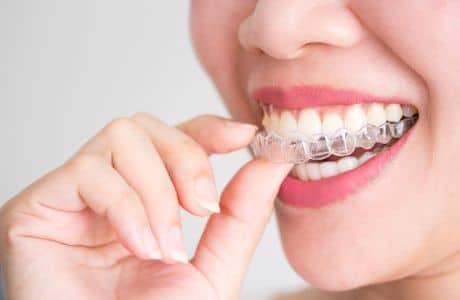
Are you tired of feeling self-conscious about your crooked teeth or bite alignment? Do you want a straighter smile without the hassle of traditional metal braces? If so, Invisalign might be the perfect solution for you. At High Desert Dental in Grand Junction, CO we offer Invisalign, a clear aligner system that gradually shifts your teeth into the desired position. This innovative treatment is popular among patients of all ages seeking a discreet way to straighten their teeth. Keep reading to learn more about the benefits of Invisalign and why you should consider High Desert Dental for your Invisalign needs.
Invisalign is a clear aligner system designed to straighten teeth over time. Unlike traditional braces, which use metal brackets and wires that apply pressure to your teeth, Invisalign uses a series of transparent plastic trays that gradually shift your teeth into the correct position. The trays are custom-made to fit your teeth and are replaced every week or two throughout the treatment process.
One of the biggest advantages of Invisalign is its discreetness. The aligners are nearly invisible, so most people won’t even know you’re wearing them. Additionally, Invisalign aligners can be removed, making it easier to eat, brush, and floss. Since you don’t have to worry about food getting stuck in your braces, you can eat whatever you want during treatment.
High Desert Dental in Grand Junction, CO is dedicated to providing our patients with high-quality dental care in a comfortable, welcoming environment. Our team of experienced dentists will perform a comprehensive evaluation to determine if Invisalign is the right treatment for you. We’ll work with you every step of the way to ensure your treatment is progressing as planned. Additionally, we use advanced technology to create precise, custom-fit aligners that will ensure your teeth move gradually and comfortably.
Invisalign is a discreet, comfortable way to straighten your teeth without the hassle of traditional braces. If you’re looking for high-quality Invisalign treatment in Grand Junction, CO, look no further than High Desert Dental. Our experienced team of dentists will work with you to create a personalized treatment plan that meets your needs and exceeds your expectations. Schedule a consultation today to learn more about Invisalign and how it can transform your smile.
“Class aptent taciti sociosqu ad litora per conubia nostra, per inceptos himenaeos .Aenean non turpis vitae ligula tristique sagitt isras varius erat pulvinar eros pretium”
Lorem ipsum dolor sit amet, consectetur adipiscing elit. Vivamus quis arcu est. Quisque posuere est arcu, id hendrerit orci pulvinar id. Cras egestas metus sit amet felis accumsan, vitae placerat libero sodales. Morbi efficitur maximus massa et aliquam. Quisque vel viverra augue.
Nullam scelerisque erat nisl, eu aliquet quam porttitor et. Aliquam molestie sem augue, non egestas nunc sagittis in. Suspendisse vehicula turpis eget leo sollicitudin, dapibus commodo massa facilisis.
Ut ac tortor eget nibh condimentum congue. In facilisis porttitor iaculis. Etiam vestibulum, nisl nec molestie egestas, velit lorem venenatis tellus, pellentesque blandit nulla sapien accumsan velit. Vivamus purus nunc, dictum nec elit viverra, semper iaculis risus.

If you haven’t had professional teeth cleaning from your dentist in Grand Junction lately, it may be time to book an appointment. Regular cleanings help keep your smile healthy and happy for years to come. But how do you know when it’s time for deep teeth cleaning? Here are a few signs that you need to make that call.
Sensitive teeth can be a sign that something is wrong with your mouth, and it could mean that plaque has built up on your teeth and is starting to cause irritation. If you experience tooth sensitivity even after brushing, flossing, or using toothpaste specifically designed for sensitive teeth, then it may be time to book a deep cleaning at your Grand Junction Dentist office.
Discoloration of the teeth can also indicate that there is plaque build-up on the surface of your enamel. Plaque can stain the surface of the enamel, making it appear yellow or brownish in color instead of white and shiny. A deep cleaning will remove this plaque and restore your smile back to its natural brilliance!
Bad breath can be caused by many things, but if it doesn’t go away after brushing and flossing regularly then it might be time to schedule a deep teeth cleaning with your Grand Junction dentist. Plaque buildup can trap bacteria in hard-to-reach areas of the mouth which can cause bad breath as well as other health concerns. A deep cleanse will get rid of this bacteria so that you can enjoy fresh breath again! :
If you have any of these signs, then it’s time to make an appointment with your Grand Junction dentist for a deeper cleanse than usual! Deep cleanings are essential for keeping your mouth healthy and preventing serious dental issues down the line. So don’t wait – make sure you schedule an appointment soon so you can maintain optimal oral health!

Going to the dentist can be a frightening experience, especially if you’ve had a bad experience in the past or have a tendency towards dental anxiety. If you’re feeling anxious about going to the dentist, take heart—you’re not alone! It is estimated that up to 40 million Americans avoid going to the dentist due to fear or anxiety. Let’s explore some strategies for managing those fears and taking control of your oral health.
One of the most important things you can do when preparing for a dental appointment is communicate with your dentist ahead of time. Be sure to tell your Grand Junction Dentist about any anxieties or fears you may have so they can work with you to find ways to make your visit more comfortable. For example, if sitting in the chair makes you feel anxious, ask if it would be possible for you to walk around until you are ready to begin the examinations and cleaning.
Additionally, take some time before your appointment to write down any specific questions that you may have regarding treatments, payment plans or dental insurance coverage so that they can be addressed during the visit. By communicating with your dentist beforehand and having all of your questions ready when attending an appointment, you can ensure that everything runs as smoothly as possible and reduce the amount of stress associated with visiting the office.
Another way to reduce dental anxiety is by finding ways to create a calming environment for yourself before, during and after appointments. One way to do this is by listening to calming music or playing games on your phone while waiting in line at the office – both activities will help distract from any negative thoughts associated with visiting the office. It may also help if someone accompanies you during visits; even just having another person there who can provide support and understanding can make all the difference in reducing stress levels during a visit.
Finally, consider speaking with a counselor or therapist if dental anxiety persists after trying these strategies – they may be able to provide additional coping mechanisms that could help relieve feelings of fear and uncertainty associated with visiting the dentist. Studies have shown that cognitive behavioral therapy (CBT) has been beneficial when treating patients who struggle with moderate-to-severe dental fear due its focus on changing thought patterns related to anxiety-provoking situations like visiting a dentist’s office.
Taking care of our oral health shouldn’t feel like an intimidating chore – yet many people in Grand Junction suffer from dental phobia or fear which prevents them from keeping up with routine dental checkups and maintenance visits at their local dentists’ offices. Fortunately, there are steps we can take today which will help us better manage our fears so we don’t put off taking care of our teeth any longer! Communication is key; talk openly about any anxieties or fears before appointments so that special accommodations can be made where necessary, create an environment which works best for reducing stress levels (such as bringing along someone who provides emotional support), and finally consider speaking with a counselor or therapist if severe dental phobias persist after trying these strategies. With some effort and patience anyone should be able to conquer their dental fears!

You don’t have to look far to see the connection between the mouth and body. After all, your oral health is a reflection of your overall health. But how, exactly, does your mouth affect the rest of your body? Let’s take a deeper dive into the mouth and body connection.
Your immune system is responsible for fighting off bacteria and infections before they become serious illnesses or diseases. Poor oral hygiene can weaken your immune system because when you don’t brush or floss regularly, bacteria builds up in the mouth, leading to an increased risk of infection. If these bacteria enter the bloodstream through the gums, it can spread throughout your body and cause more serious issues such as heart disease or stroke.
Poor oral hygiene has been linked to several other medical conditions as well. Research shows that people with poor dental hygiene are more likely to suffer from digestive issues like irritable bowel syndrome (IBS), as well as diabetes, respiratory problems and even dementia. The reason for this is that the same bacteria present in the mouth can travel through the bloodstream and cause inflammation in other areas of the body.
Maintaining good oral hygiene doesn’t just stop at preventing tooth decay; it also helps protect against other illnesses associated with poor dental health. Brushing twice per day and flossing once per day will help reduce plaque build-up on teeth which will decrease inflammation in both your mouth and throughout your body. Eating a balanced diet full of fruits, vegetables and whole grains will also help maintain healthy teeth by providing essential nutrients needed for strong bones and enamel.
Your oral health is directly connected to your overall health so it’s important to prioritize good dental hygiene habits such as brushing twice a day and flossing once a day while also maintaining a balanced diet full of nutritious foods like fruits, vegetables, dairy products, lean proteins, nuts and whole grains. Taking care of your mouth can help prevent major illnesses from forming while also keeping you feeling healthy both inside and out!
The importance of proper oral hygiene cannot be overstated; it should not be viewed as just another part of our daily routine but rather as an integral component of our overall wellness regimen. Taking care of our mouths helps us maintain optimal physical health throughout our lives so we can live life to its fullest potential! If you have any questions about preventive dental care or would like more information about how poor oral hygiene can affect your physical wellbeing, please contact us today! We’re here to answer all of your questions and provide guidance on how best to maintain optimal dental health!