
How Long Do Dental Implants Last With Proper Care?

How Long Do Dental Implants Last With Proper Care?

How Long Do Dental Implants Last With Proper Care?

cosmetic dentist grand junction

How Long Do Dental Implants Last With Proper Care? In Grand Junction

How Long Do Dental Implants Last With Proper Care?

With good daily care and regular checkups, the titanium part of a dental implant can often last for decades; many sources consider it a potential lifetime solution, while the crown on top typically needs replacement after about 10–15 years due to normal wear and tear. At High Desert Dental, we focus on placing and maintaining implants so Grand Junction patients can count on them as a long‑term, natural‑feeling way to replace missing teeth with help from a team many see as the best dentist in Grand Junction, CO.

Implants Are Built For The Long Term

A dental implant has three main parts: the titanium post in the bone, the abutment connector, and the crown or prosthesis you see when you smile.
The post is designed to fuse with your jawbone (osseointegration) and, with healthy gums and bone plus good hygiene, can provide stable support for decades—often for the rest of your life.

Crowns, bridges, or dentures attached to implants experience normal chewing forces, so most need updating roughly every 10–15 years, sometimes longer, depending on materials and habits.

What Affects How Long Implants Last?

How long your implants last depends on a mix of factors:

  • Oral hygiene – Brushing twice daily, cleaning around implants, and removing plaque help prevent gum infection (peri‑implantitis) that can threaten the implant.

  • Gum and bone health – Healthy tissue and enough bone give long‑term stability; uncontrolled gum disease around implants can shorten their lifespan.

  • Lifestyle habits – Smoking, heavy grinding/clenching, and chewing very hard foods (ice, hard candy) increase the risk of complications or crown damage.

  • General health – Conditions like uncontrolled diabetes can affect healing and long‑term success.

  • Regular professional care – Consistent checkups and cleanings allow early detection and treatment of small issues before they become big ones.

Studies and clinical experience show high success rates, often 95–98% at 10 years, when these factors are well managed.

Daily Care for long‑lasting implants

Caring for implants at home is similar to caring for natural teeth, with a bit of extra attention at the gumline:

  • Brush at least twice a day with a soft‑bristled brush and non‑abrasive toothpaste.

  • Clean between teeth and around implants daily with floss, interdental brushes, or a water flosser.

  • Rinse with an alcohol‑free antimicrobial mouthwash if recommended.

  • Wear a nightguard if you grind or clench to reduce stress on implants and crowns.

This routine lowers the risk of inflammation and bone loss around the implant and can significantly extend its lifespan.

Why Regular Checkups Matter

Even with perfect home care, implants need periodic professional monitoring.

During visits at High Desert Dental, we will:

  • Check your gums for signs of irritation or peri‑implant disease

  • Take X‑rays as needed to monitor bone levels around the implant

  • Evaluate the fit and wear of your implant crowns or bridges

  • Clean around the implants with instruments designed to protect their surfaces

Most patients do well with visits every six months, while some with higher risk factors may benefit from more frequent maintenance.

When Crowns or Components Need Updating

Over time, normal chewing, grinding, or accidental trauma can chip or wear the implant crown, just like a natural tooth or regular crown.
If that happens, the good news is that we can often replace just the crown or restoration without disturbing the implant post or abutment underneath, preserving your original investment.

Signs it’s time to have things checked include:

  • A crown that feels loose or moves

  • Chips, cracks, or visible wear

  • Food catching in new spaces around the implant

  • Soreness or bleeding around the implant gumline

Addressing these issues early helps protect both function and aesthetics.

Why Choose High Desert Dental for Implants?

Implants are a long‑term partnership between you and your dental team. At High Desert Dental, we focus on:

  • Thorough planning and evaluation before implant treatment

  • Clear explanations of how to care for implants day to day

  • Ongoing, attentive maintenance to help your implants last as long as possible

Patients looking for the best dentist in Grand Junction, CO for implants appreciate that we blend evidence‑based treatment with personalized follow‑up, so your implants have the best chance to serve you comfortably for decades.

If you’re considering implants now, the key question isn’t just “How long do they last?” but “What can I do to help them last?” With the right habits and regular visits, the answer is: often, a lifetime.


Lifespan Of Dental Implants

Lifespan Of Dental Implants

The Lifespan Of Dental Implants

How Long Do Dental Implants Last?

Lifespan Of Dental Implants

We often get asked if dental implants last forever?

Let’s examine the lifespan of dental implants.

Nearly 120 million Americans alone are missing one of their natural teeth. In addition, a staggering 36 million individuals are missing more than one tooth due to decay, or infection.

For patients who have missing teeth and have considered dental implants, this blog is for you. Many people hesitate to have dental implants because they have a fear of the dentist or simply have unanswered questions about the longevity of dental implants. For example, “Do dental implants last forever?”

Lasting Dental Implants

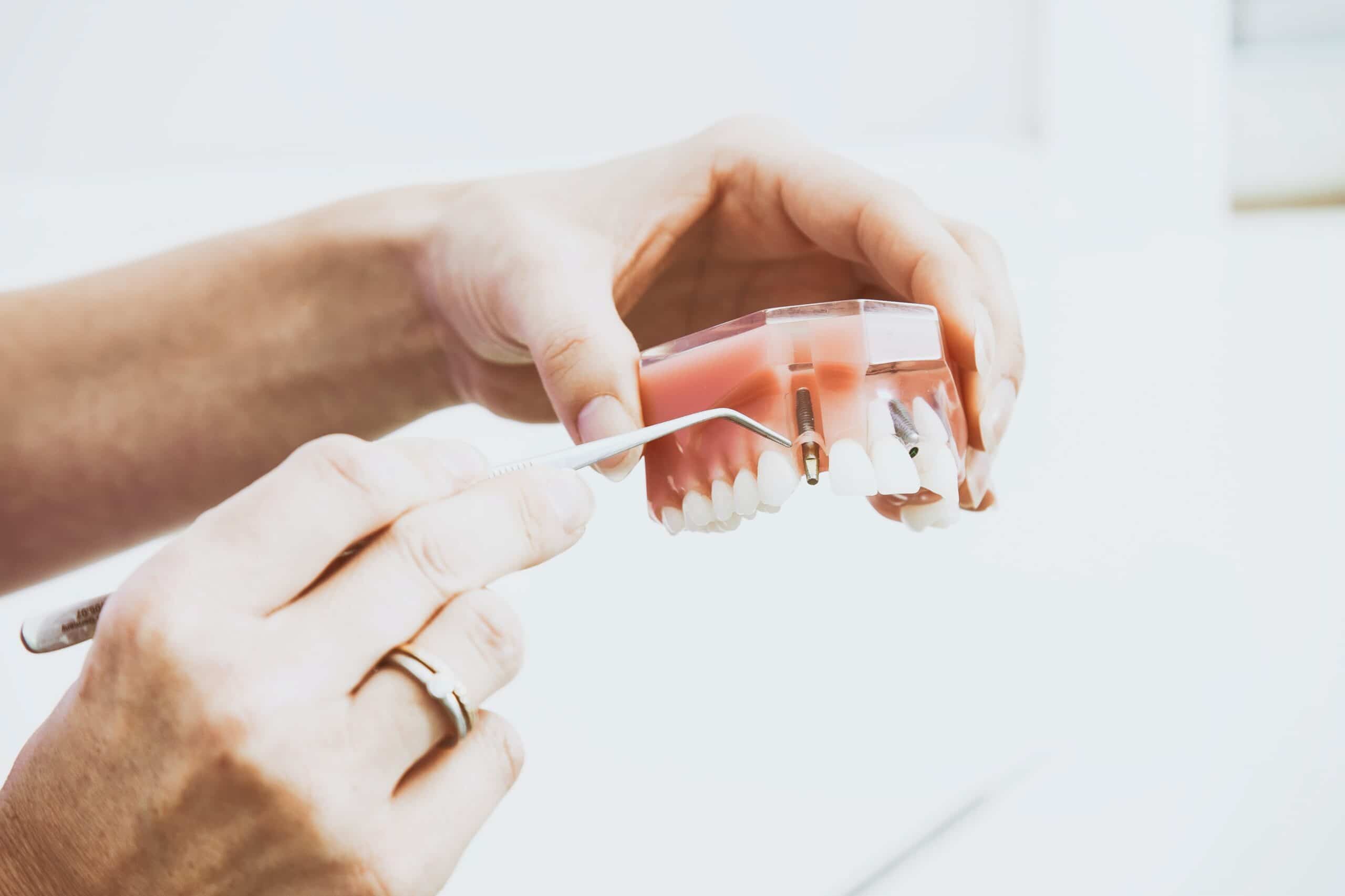
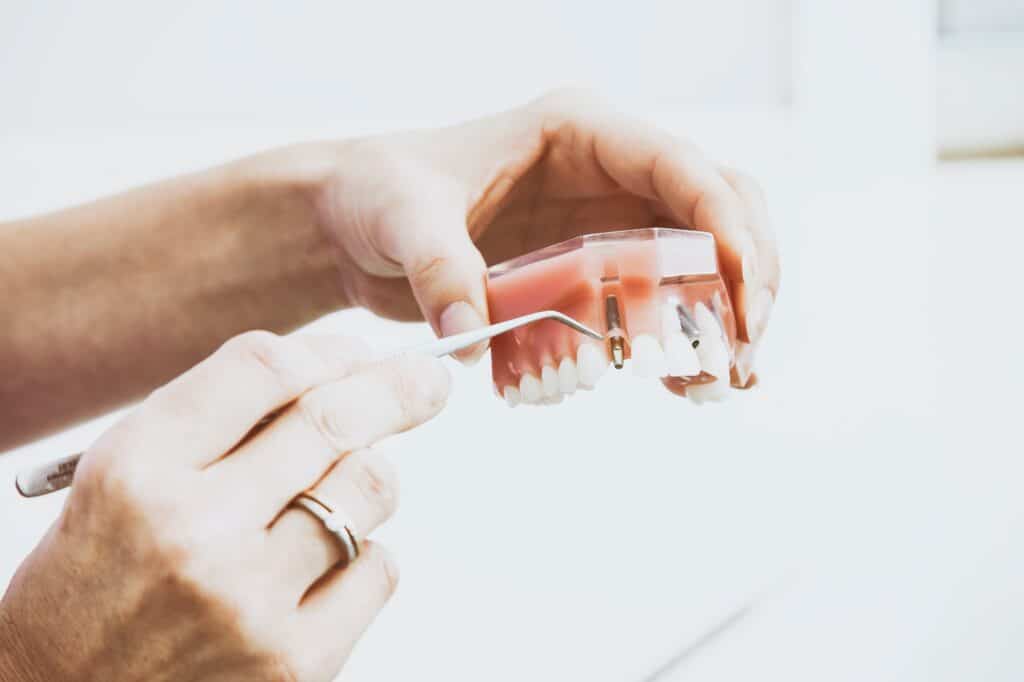
“How long do dental implants last?” is a frequently asked question. The answer varies on several variables, including dental implant aftercare. Dental implants are becoming an increasingly popular option for people who are missing one or more teeth. Unlike dentures or bridges, implants are a permanent solution that can last a lifetime with proper care. The implant itself is a small screw that is placed into the jawbone, and the crown is the artificial tooth that is attached to the screw. (As pictured above)

With regular brushing and flossing, the implant screw itself can last a lifetime, assuming the patient receives regular dental check-ups every 6 months. The crown, however, usually only lasts about 10 to 15 years before it may need a replacement due to wear and tear. However, maintaining excellent dental hygiene and using it cautiously could extend the life of the crown beyond 15 years.

Overall, dental implants are a great option for people missing one or more teeth, and with proper care, they can last a lifetime.

What Affects How Long Dental Implants Last?

The longevity of dental implants varies from patient to patient.

Your age may influence how quickly your bone adapts to the implant surgery. The older you get, the more bone loss we experience so choosing a dental implant specialist with the clearest dental technology is important. 

Dental implants are a long-term permanent tooth replacement option

One implant can replace one tooth. An implant is covered by a crown that looks like a natural tooth.

Dental implants can also be used to replace teeth across the mouth. When there are few teeth, implants can support dentures better than denture adhesives. We sometimes refer to this as implant-supported dentures or All-on-four dentures. In addition, mini-implants can support complete dentures in place of larger ones. These are the implant, abutment, and crown. The implant itself acts like a tooth’s root. It’s a titanium post that’s surgically placed into the jaw.

How Does The Abutment and Crown Work 

The abutment secures the prosthetic tooth. This portion is fastened onto the implant above the jawbone. The crown is the visible component of a natural tooth. Dental crowns are generally ceramic, but cheaper alternatives do exist. The abutment holds it. The quality of your dental implant materials does matter when it comes to longevity so be sure to ask Dr. Josh about the high-quality dental implant materials we use. 

Some Dental Implant Advantages

A dental implant has several advantages. Among the benefits of an implant:

  • Regain the confidence to smile again
  • Eternal (unlike removable dentures)
  • Missing or broken teeth make eating simpler.
  • Speech comfort versus missing teeth
  • It prevents jawbone loss due to missing teeth

Removing Dental Implants

Dental implants aren’t the only or even the best alternative in the absence of teeth. Bridges, dentures, dental crowns, and mini-implants are all conventional tooth replacement choices.

Factors Affecting Dental Implant Durability

Dental implants, as stated previously, endure 25 years. However, there are several reasons why implants may last less or more than average. These are explained below.

  • Oral Care
  • Food and Chewing
  • Dentist Talent
  • Implant Site
  • Tobacco and alcohol
  • Your Overall Health Issues
  • Bone Density

Do You Have Additional Questions About Dental Implants?

Lasting dental implants No way. But with appropriate care, they may live for years. Do you have any more questions concerning dental implants? Do you want to schedule a dental implant consultation? We welcome you to schedule a dental implant consultation with your Grand Junction Dentist, Dr. Josh Eastham.

Dental Implants FAQ

Dental implant faq

Dental Implant FAQ

What to Know About Dental Implants

Dental implant faq

What Exactly Are Dental Implants?

Dental Implants are a titanium alloy prosthetic tooth root that are used to replace missing teeth. As follows, this functions in place of a natural tooth root, avoiding bone loss in the jaw. Once the implant has fused with your jaw, a permanent abutment and crown are placed on top. Then, the dental implants Grand Junction will look and feel like a natural tooth. If you’ve been searching, “dental implants near me” you’ve come to the right place!

What Kinds of Dental Implants Are There?

The diameter of full-sized dental implants ranges between 3.4 and 5.8 mm. Mini dental implants, on the other hand, have a diameter of 1.8 to 3.0 mm. Our Grand Junction dentist explains that the invasiveness and recuperation duration of your surgery are affected by the size difference.

Because micro implants are smaller, they do not require as much bone density in your jaw to be placed. A ball at the end of a tiny implant allows the crown to snap into place. This crown will have a socket below it to form a secure connection with the implant.

Do you have many or all of your teeth missing? If this is the case, Dr. Eastham, the best dentist in Grand Junction CO, may suggest implant-supported dentures or all-on-6 implants. A detachable implant-supported denture is possible. All-on-6 implants, on the other hand, permanently attach an arch of teeth to your jaw.

What Should I Expect During the Dental Implant Procedure?

The typical dental implant procedure takes many months to complete. However, keep in mind that small dental implants can be obtained in as little as one consultation. Your experience will be entirely determined by the type of dental implant selected.

Consultation

Dr. Eastham will assess if you are a candidate for dental implants during your appointment. In order for us to insert the implants, you must have sufficient bone density in your jaw. Keep in mind, though, that you don’t require as much bone density to be eligible for tiny dental implants.

The treatment we chose will also be determined by the number of teeth you desire to replace. Patients with few or no teeth, for example, may request implant-supported dentures.

Procedure

Additionally, we will do 3D CT scans to assess the health of your jawbone and nerve location. Our practice will also design a precise surgical guide that will be placed over your teeth during the treatment. 

The use of a surgical guide reduces the invasiveness of dental implant surgery. Our friends over at OG Dental, Denver Highlands dentist, explain that this is because the implant’s hole is so tiny. Thus, you have a considerably lesser chance of swelling, bleeding, and infection. You will also recuperate far more quickly than if you went to a dentist who did not employ a surgical guide. Dentists who do not employ guides must make a big incision along the gum line all the way down to the bone. This also lengthens and complicates the recuperation process.

Recovery

Whatever dental implants you choose, it is critical that you allow yourself adequate time to heal. While recovering after surgery, soft meals like yogurt and mashed potatoes are ideal.

Following the placement of your implants, you will have multiple visits.  As follows, your implants will bond to your jawbone over the course of many months. 

Restoration

Then, you will install the permanent abutment and crown over the implant once you have recovered and the implant is stable. As follows, this will offer you the appearance and functionality of a real tooth.

“Dental implants are well worth the investment since they restore both your smile and your dental health. No other tooth replacement solution has this capability!” – Dr. Joshua Eastham

Contact High Desert Dental For Dental Implants Grand Junction

Ready to get started with dental implants? Contact our team at High Desert Dental today. We’d love to discuss your restorative dentistry options.