
The Anatomy of Your Teeth

The Anatomy of Your Teeth

The Anatomy of Your Teeth

Understanding the Anatomy of Your Teeth

The Anatomy of Your Teeth

As a patient of High Desert Dental, you know the importance of maintaining good oral hygiene to ensure the longevity of your teeth. However, have you ever stopped to wonder about the anatomy of your teeth? Understanding the structure of your teeth can help you better appreciate the complexity of your mouth and how to care for it properly. In this post, we’ll take a deep dive into the anatomy of your teeth, so you can be better informed about how to maintain a healthy mouth.

Enamel

The outermost layer of your tooth is called the enamel. This is the hardest and most mineralized substance in your body, providing a protective layer for the underlying structures of your teeth. While enamel is incredibly strong, it can still be damaged by poor oral hygiene or trauma, which can lead to tooth decay, cavities, and other issues.

Dentin

Beneath the enamel lies the dentin, which is softer in nature than the enamel but still incredibly durable. The dentin makes up the majority of the tooth and contains tiny tubes called dentinal tubules, which allow communication between the enamel and the nerves in the center of the tooth.

Pulp

At the center of each tooth lies the pulp, which contains nerves, blood vessels, and connective tissue. The pulp is responsible for supplying nutrients to the tooth and provides the sensation of hot and cold. If the pulp becomes damaged, infection or abscesses can occur, leading to a need for a root canal.

Cementum and Periodontal Ligament

The cementum is a thin layer of calcified tissue covering the root of the tooth, while the periodontal ligament attaches the cementum to the bone. These two structures help to anchor the tooth in place, allowing it to withstand the force of chewing and biting.

Anatomy of a Tooth’s Crown

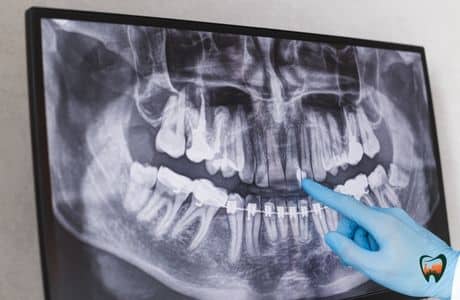
Finally, we have the anatomy of a tooth’s crown. The top of your tooth, visible above the gums, is called the crown. It consists of the enamel and dentin layers, as well as the pulp chamber and root canals. Your incisors are the straight-edged teeth in the front of your mouth, while the canine teeth are sharp and pointed. Your molars and premolars are flat and wide, making it easier to chew and grind food.

Contact Us Today!

Understanding the anatomy of your teeth can be helpful in maintaining a healthy mouth. Ensuring proper oral hygiene, such as brushing and flossing regularly, can help to protect your enamel and reduce the risk of tooth decay. Regular dental checkups at High Desert Dental can also ensure the overall health of your mouth and identify any potential dental issues before they become more serious. At High Desert Dental, we are committed to providing our patients with the best oral care possible so that they can enjoy a healthy and beautiful smile for years to come.

Should I Replace Old Metal Fillings?

Should I Replace Old Metal Fillings

Should I Replace Old Metal Fillings?

Should I Replace Old Metal Fillings?

Should I Replace Old Metal Fillings

Metal fillings are a common and effective solution for tooth decay. However, as time passes, the metal filling may cause a variety of dental issues. As dental health experts in Grand Junction CO, we often get asked if it’s time to remove the old metal fillings and replace them with new ones. In this blog post, we’ll discuss the pros and cons of replacing old metal fillings and guide you through the crucial things to consider before getting them replaced.

How long do metal fillings last?

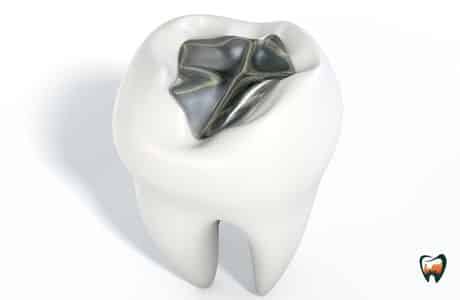
Metal fillings are durable and can last for decades. However, they may start to wear out or break down over time. As the filling ages, it can expand and contract over and over. As a result, the filling can lose its sealing ability, and bacteria may penetrate the tooth, causing more decay. Additionally, as the filling deteriorates, it may cause cracks or fracture in the tooth. If either occurs, it is a sign that the filling needs replacing.

Some signs indicate that your filling may need replacing:

It is essential to be aware of the warning signs that indicate your filling may need replacing. Watch out if you experience sensitivity to hot or cold beverages, sharp pain when biting food, recurrent bad breath, or a metallic taste in your mouth. Once you notice these symptoms, make an appointment with your Grand Junction dentist for an evaluation.

Composite fillings could be the answer

Composite or tooth-colored fillings provide an excellent alternative to the traditional metal fillings. They are made from a blend of glass and plastic and sit on your tooth, resembling your natural tooth color, making it invisible if applied correctly. Composite fillings do not contain mercury and offer a safer and healthier option. Furthermore, taking care of them is easy as regular brushing and flossing.

Consult with a dental health expert before making any decision

If you experience any of the issues mentioned, it is crucial to see a dental health professional for an evaluation. Whether you decide to keep your metal fillings or switch to the composite option, it’s essential to discuss your choice with a dental professional. They can give you an accurate assessment of the condition of your filling and help you decide the best treatment options for your dental health needs.

Contact Us Today!

While metal fillings can last for years, their performance will wane over time. Ultimately, the decision to replace old metal fillings rests with you and should be based on your dental health requirements. If you experience any of the issues mentioned above or have concerns about the composition of your metal fillings, it’s essential to visit your healthcare professional. They can guide and educate you on composite filling options and help you make the best decision for your dental health. At High Desert Dental, your dental health is our top priority. We are always willing to help our patients make decisions that ultimately benefit their dental health.

The Mouth And Body Connection

The Mouth And Body Connection

The Mouth And Body Connection

How Your Oral Health Affects Your Overall Health

The Mouth And Body Connection

You don’t have to look far to see the connection between the mouth and body. After all, your oral health is a reflection of your overall health. But how, exactly, does your mouth affect the rest of your body? Let’s take a deeper dive into the mouth and body connection.

The Link Between Oral Hygiene and Your Immune System

Your immune system is responsible for fighting off bacteria and infections before they become serious illnesses or diseases. Poor oral hygiene can weaken your immune system because when you don’t brush or floss regularly, bacteria builds up in the mouth, leading to an increased risk of infection. If these bacteria enter the bloodstream through the gums, it can spread throughout your body and cause more serious issues such as heart disease or stroke.

How Poor Oral Hygiene Can Impact Other Areas of Your Body

Poor oral hygiene has been linked to several other medical conditions as well. Research shows that people with poor dental hygiene are more likely to suffer from digestive issues like irritable bowel syndrome (IBS), as well as diabetes, respiratory problems and even dementia. The reason for this is that the same bacteria present in the mouth can travel through the bloodstream and cause inflammation in other areas of the body.

The Benefits of Good Oral Hygiene

Maintaining good oral hygiene doesn’t just stop at preventing tooth decay; it also helps protect against other illnesses associated with poor dental health. Brushing twice per day and flossing once per day will help reduce plaque build-up on teeth which will decrease inflammation in both your mouth and throughout your body. Eating a balanced diet full of fruits, vegetables and whole grains will also help maintain healthy teeth by providing essential nutrients needed for strong bones and enamel.

Your oral health is directly connected to your overall health so it’s important to prioritize good dental hygiene habits such as brushing twice a day and flossing once a day while also maintaining a balanced diet full of nutritious foods like fruits, vegetables, dairy products, lean proteins, nuts and whole grains. Taking care of your mouth can help prevent major illnesses from forming while also keeping you feeling healthy both inside and out!

The importance of proper oral hygiene cannot be overstated; it should not be viewed as just another part of our daily routine but rather as an integral component of our overall wellness regimen. Taking care of our mouths helps us maintain optimal physical health throughout our lives so we can live life to its fullest potential! If you have any questions about preventive dental care or would like more information about how poor oral hygiene can affect your physical wellbeing, please contact us today! We’re here to answer all of your questions and provide guidance on how best to maintain optimal dental health!

How To Avoid Tooth Loss As You Age

Avoiding Tooth Loss As You Age

How to Avoid Tooth Loss As You Age

As you age, tooth loss is an increasingly common occurrence.

Avoiding Tooth Loss As You Age

It’s estimated that by the time they reach age 74, 69% of people have lost at least one permanent tooth. That’s why it’s important to take steps now to protect your teeth and avoid tooth loss in the future. Let’s look at what you can do to keep your teeth healthy and strong as you get older.

Maintain Good Oral Hygiene Habits

The best way to protect your teeth is to maintain good oral hygiene habits. This means brushing twice a day for two minutes with a soft-bristled toothbrush and fluoride toothpaste, flossing daily, and using mouthwash. Additionally, it is important that older adults get regular dental checkups every six months so that any problems can be caught early on and treated before they become more serious issues. Regular checkups also give dentists an opportunity to provide patients with personalized tips on how best to take care of their own teeth and gums.

Stay Away From Harmful Substances

Substances like tobacco, alcohol, drugs, and certain medications can all cause harm to your teeth over time. Tobacco use increases the risk of gum disease and increases the severity of periodontal diseases in older adults; alcohol can dry out the mouth leading to increased decay; drug use has been linked with higher rates of periodontal disease; and certain medications can lead to dry mouth which increases the risk of cavities due to decreased saliva production. It’s important that older adults avoid these substances in order to minimize their chances of losing teeth as they age.

Eat A Healthy Diet

Eating a healthy diet is essential for keeping your teeth strong throughout life. Eating plenty of fresh fruits and vegetables helps keep your gums healthy while avoiding sugary snacks helps reduce plaque buildup on your teeth which can lead to cavities and other dental problems over time. Limiting drinks that are high in sugar content such as sodas or juices will also help reduce plaque buildup on the enamel of your teeth which helps prevent cavities from forming. So make sure you eat a balanced diet full of healthy foods!

In conclusion, taking steps now towards maintaining good oral hygiene habits, avoiding harmful substances like tobacco or drugs, and eating a healthy diet are all key components in preventing tooth loss as you age. These steps will help ensure that your pearly whites stay strong well into old age! If you need more information about how best to protect your teeth from decay or cavities as you get older, make sure you contact our office today for an appointment where we would be happy to discuss any questions or concerns you may have about how best to protect yourself from tooth loss as you age!

Dr. Josh Eastham of High Desert Dental is passionate about helping his patients achieve and maintain great oral health. Dr. Eastham offers both teeth cleanings and restorative consultations to patients in the High Desert area. He takes a holistic approach to dentistry, which means that he looks at the whole person – not just their teeth. This allows him to provide the best possible care for his patients. Contact High Desert Dental today to schedule a teeth cleaning or a restorative consultation with Dr. Eastham.

Overcoming Your Fear Of The Dentist

Overcoming Your Fear Of The Dentist

Overcoming Your Fear Of The Dentist

Conquering Your Fear of the Dentist

Overcoming Your Fear Of The Dentist

A trip to your Grand Junction CO dentist can be filled with trepidation for many people. It is not uncommon to become overwhelmed with anxiety when it’s time to go in for a checkup or procedure. High Desert Dental, located in Grand Junction CO, understands this fear and offers several tips and tricks that can help you conquer your uneasiness. Let’s take a look at some of them now.

Find the Right Dentist for You

First and foremost, it is important to find a dentist near you who will make you feel comfortable. Look up reviews online, ask friends and family members who they recommend, or call around to different offices until you find one that best fits your needs. Once you have found the right dentist for you, communicate clearly what makes you anxious—whether it’s the sound of the drill or how much pressure the dentist applies during cleaning—so that he or she can adjust accordingly.

Bring a Friend

If possible, bring someone along with you on your appointment. Having a friend present can help ease your anxiety by providing moral support while also providing comfort and familiarity. This person may also be able to remind you when it’s time to take a break if you need one during longer procedures.

Distract Yourself

Bring headphones along with your favorite music playlist so that you have something else to focus on rather than just being aware of what is happening inside of your mouth. Listening to music can provide an escape from reality in which it’s just yourself and music instead of yourself and the dentist’s chair! Additionally, focusing on breathing in through your nose and out through your mouth can also be helpful in slowing down your heart rate while calming nerves simultaneously.

Contact Us Today!

At High Desert Dental in Grand Junction CO, we understand how uncomfortable visiting the dentist can be for many patients. That is why our staff works hard each day to ensure that every patient feels safe and secure throughout their entire appointment experience from start to finish. We hope these tips will help make conquering dental phobia easier for those who are nervous about coming into our office! If additional assistance is needed please do not hesitate to reach out directly so we can discuss further options available! After all, taking care of your teeth should not be something that brings fear but rather excitement as healthy teeth lead to a healthy life! 

Gum Disease Causes

Gum Disease Causes

Gum Disease Causes

Everything You Need To Know About Gum Disease

Gum Disease Causes

Plaque is the primary cause of gum disease; however, there are several other gum infection causes you might not know about. Poor dental hygiene, smoking, stress, hormonal changes, diabetes, and medications are all common causes of gum disease. It is important to practice good dental hygiene by brushing and flossing regularly to prevent gum infections. Quitting smoking, managing stress levels, and keeping diabetes under control can also help to prevent gum disease. If you are taking medication that causes dry mouth, drink plenty of water and chew sugarless gum to keep your mouth moist. Understanding the causes of gum disease and preventive measures can help keep your smile healthy and bright.

One Main Reason For Gum Disease Is Plaque Buildup

Gum disease is one of the most common dental problems faced by adults. It is caused by plaque, a sticky film of bacteria that forms on teeth and gums. Without daily brushing, flossing, and rinsing, plaque can quickly harden into tartar, a substance that can only be removed by a professional cleaning. Gum disease can lead to tooth loss, bone loss, and other serious health problems if left untreated. The good news is that gum disease is reversible if caught early. Improving your dental care routine and scheduling regular dental checkups can help prevent gum disease and keep your smile healthy.

Smoking And Chewing Tobacco Can Cause Gum Disease 

Smoking is one of the worst things you can do for your gum health. The chemicals in tobacco interfere with the normal function of gum tissue cells, making your mouth more vulnerable to infections like gum disease. Our friends over at Shreveport Dental Solutions, the best dentist in Shreveport, La, said chewing tobacco isn’t any better. In addition to causing cancer, it can lead to other serious health problems, including gum infection. If you’re a smoker, the best thing you can do for your gum health is to quit. It’s not easy, but it’s worth it. Several resources are available to help you kick the habit, so take advantage of them and help prevent several health issues, including gum disease.

The Alignment Of Your Teeth Can Be A Factor 

A healthy mouth is vital for overall health, and alignment is crucial to having a healthy mouth. When teeth are correctly aligned, it is easier to brush and floss them, and there are fewer spaces where plaque can build up. Plaque is a sticky film of bacteria that forms on teeth and is a leading cause of gum disease. Gum disease is an infection of the gums that can cause redness, swelling, and bleeding. If left untreated, it can lead to tooth loss. Therefore, taking extra care of your teeth and gums is essential if you have misaligned teeth. Be sure to brush twice a day and floss daily, paying particular attention to the areas where your teeth are misaligned. If you are concerned about your oral health, please see your dentist in Grand Junction Co for an evaluation.

Contact High Desert Dental Today!

High Desert Dental is committed to providing our patients with the highest dental care. We understand that oral health is essential to overall health, and we take pride in our ability to help patients achieve and maintain a healthy smile. We offer a full range of dental services, from preventive care to complex restorative procedures. Our skilled team of the best dentists in Grand Junction provides personalized care for each patient, and we work closely with patients to develop a treatment plan that meets their individual needs. We are proud to be leading dental care in the Grand Junction region, and we invite you to contact us today to learn more about our services.


Are You Flossing Correctly?

Are You Flossing Correctly?

Are You Flossing Correctly?

Everything You Need To Know About Flossing

Are You Flossing Correctly?

Flossing is an important part of oral hygiene, yet many people do not floss correctly, if at all. Some people believe that simply running the floss between their teeth is enough, but this only removes plaque from the surface of the teeth. To truly clean your teeth, you need to use a back-and-forth motion to slide the floss underneath the gumline. This will remove plaque and bacteria from areas that are difficult to reach with a toothbrush. In addition, be sure to use a clean section of floss for each tooth to avoid recontaminating your teeth. With proper technique, flossing can help keep your smile healthy and sparkling. Keep reading to find out if you are flossing correctly? 

Flossing Technique 

When it comes to flossing, there’s no need to be aggressive. Gently sliding the floss between your teeth and around the base of each tooth is all that’s necessary. Dr. Eastham wants you to know that there’s no need to use a lot of floss – 18 inches is typically enough. Start by winding most of the floss around each middle finger, leaving an inch or two to work with. Then, holding the floss tautly between your thumbs and index fingers, slide it gently up and down between your teeth. Remember to curve the floss around the base of each tooth, making sure you go beneath the gum line. snapping or forcing the floss can damage your gums, so take it easy. Our friends at Shreveport Dentist, the best dentist in Shreveport LA, say with a little gentle care, you’ll be able to keep your teeth and gums healthy.

The Type Of Floss You Should Use

There are a few things to consider when choosing nylon floss. First, it is available waxed and unwaxed. Waxed floss is coated with a thin layer of beeswax or similar substance, which makes it slide easily between teeth. Unwaxed floss is not coated and may be more likely to shred or tear. Second, nylon floss comes in a variety of flavors. This can be important if you have sensitive gums or are simply trying to avoid that “flossy” taste. Finally, because nylon floss is composed of many strands, it may sometimes shred or tear between teeth with tight contact points. If this is a concern, you may want to choose a different type of floss. If you want to know what floss is a good one to use contact the best dentist in Grand Junction CO to see what our team has to say.

Contact Us Today!

At High Desert Dental, we are proud to offer our patients a wide range of dental services. Whether you need routine cleaning or more complex dental work, we will work hard to ensure that you receive the highest quality care. We understand that choosing a dentist can be a daunting task, but we guarantee that you will be in good hands with our experienced and compassionate team. If you have any questions or would like to schedule an appointment, please do not hesitate to contact us today. We look forward to hearing from you!

How Often Do You Need To Visit A Dentist

How Often Do You Need To Visit A Dentist

How Often Do You Need To Visit A Dentist

Why You Need To See Your Dentist

How Often Do You Need To Visit A Dentist

Going to the dentist regularly is important for maintaining good oral health. The general rule of thumb is that you should visit your Grand Junction CO dentist every six months, but this may vary depending on your individual needs. Studies have shown that people without any dental problems can usually get by visiting the dentist once a year. However, those with dental issues may need to be seen every 3 or 4 months. Ultimately, it is important to talk to your dentist about how often you should be seen in order to maintain optimal oral health. They will be able to take your individual needs into account and develop a plan that is right for you.

Stopping The Problem Before It Happens 

Professional dental cleaning is an important part of maintaining good oral health. Not only do they remove stains, giving you a brighter smile, but they also remove plaque. Plaque is a clear, sticky layer of bacteria that can lead to tooth decay and gum disease if it isn’t removed. Dental cleanings help to remove plaque before it has a chance to harden and develop into tartar, which can only be removed by a dentist using special tools. In addition to preventing tooth decay and gum disease, dental cleanings can also help to freshen your breath and give you a more confident smile. So be sure to schedule a professional dental cleaning every six months!

Regular Check Ups 

Routine visits to the dentist are important for maintaining good oral health. These visits allow your dentist to find any dental problems and other oral health issues you might not have noticed. Our friends over at Park Hills Dentistry, the best in Lexington KY, without regular visits to the dentist, untreated conditions will likely become painful and difficult to treat down the road. Dental checkups are also an opportunity for your dentist to give you advice on how to best care for your teeth and gums. They can recommend specific brushing and flossing techniques and which types of toothpaste and mouthwash are best for you. So if you’re looking to keep your smile healthy and bright, be sure to schedule regular dental checkups.

Contact High Desert Dental Today!

Starting your smile journey with high desert dental is easy! Our team of compassionate and experienced professionals will work with you to develop a treatment plan that meets your unique needs and goals. We understand that no two patients are alike, and we will take the time to get to know you and your smile. Whether you are looking for simple tooth whitening or extensive dental implants, we will help you achieve the beautiful, healthy smile you deserve. Contact us today to schedule a consultation, and take the first step on your smile journey!

Why Get an Oral Cancer Screening

why get an oral cancer screening

Why Get an Oral Cancer Screening

Why You Should Get an Oral Cancer Screening

Oral cancer screening is crucial since it aids in the detection of mouth cancer. Early detection increases the likelihood of successful treatment. Additionally, your Grand Junction dentist or dental health professional can detect 84% of oral cancer cases early.

Where Can You Get Oral Cancer?

Oral cancer can occur in a variety of locations, including the gums, hard palate, inner cheeks, lips, tongue, and mouth floor. While some dentists disagree on the best time to have an oral cancer screening, at High Desert Dental, our dentist office in Grand Junction CO believes in being proactive and cautious. That is why we constantly perform oral cancer screenings.

Who Should Get an Oral Cancer Screening?

While oral cancer screenings are important for everyone, individuals who are at a higher risk of developing the disease (such as smokers and heavy drinkers) may benefit the most. Patients who have had a past cancer diagnosis (oral or otherwise) and those who have contracted HPV (the most prevalent sexually transmitted illness) are also at a higher risk; it is recommended that they have more frequent testing.

The best approach to stay mentally and emotionally prepared is to acquire as much information as possible from your doctor rather than from outside sources (such as the internet). Dr. Eastham, the best dentist in Grand Junction, shares that this provides an opportunity to have an open and safe discourse about any dental health concerns you may have.

why get an oral cancer screening

“Oral cancer screening is crucial since it aids in the detection of mouth cancer.” – Dr. Eastham

What Happens Following My Oral Cancer Screening?

If the High Desert Dental staff uncover anything wrong after the exam process is complete and the results have been properly tested, you may be requested to return for additional screening. This is not cause for concern; additional study may be required to determine a diagnosis for some results (which are not limited to an oral cancer diagnosis).

Our friend, Dr Green, the best dentist in Parker CO, explains that early diagnosis greatly lowers treatment-related health concerns throughout your trip. While oral cancer is undoubtedly terrifying, it is generally treatable if detected early.

Contact High Desert Dental Today For Preventative Care

If you are in need of an oral screening feel free to contact us today. Our Grand Junction team is here to help in any way possible.

Is Chewing Gum Bad For Your Teeth?

is chewing gum bad for your teeth?

Is Chewing Gum Bad For Your Teeth?

Chewing Gum And Your Teeth: What You Need to Know

is chewing gum bad for your teeth?

The dispute is as ancient as time or, at the very least, as dental care. People have been chewing gum for ages. Today, we have progressed from basic tree sap or gum to the rubbery stuff we know today. Each brand’s composition varies, but all gums contain a combination of gums, resins, fillers, and softeners, while flavorings and sweeteners differ significantly. So, the question is: is chewing gum bad for your teeth? Our dentist Grand Junction shares below. 

Chewing Gum’s Effects on Your Teeth

Of course, you want to create good healthy dental habits since taking care of your teeth is essential. Dr. Eastham, the best dentist in Grand Junction, explains that chewing gum has benefits. These vary,  from stress reduction to memory enhancement. In addition, some people believe it might help you lose weight or quit smoking. On the other hand, chewing gum is a mixed bag when it comes to dental health.

Chewing Gum and Your Dental Health

Chewing gum may be both beneficial and detrimental to your teeth. It is determined by the sort of gum eaten. Regular sweet gum might be harmful to your teeth. The sugar used as a sweetener feeds microorganisms in your mouth, which can harm your teeth. On the other hand, Sugar-free gum can not only freshen your breath but may also enhance your oral health.

Advantages of Sugar-Free Gum

While any gum will provide fresh breath, sugar-free gum may assist in avoiding cavities. According to the American Dental Association, research suggests that eating sugar-free gum for twenty minutes after a meal can help prevent tooth decay. The gum stimulates saliva production in your mouth, neutralizing acid and improving enamel. Also, our dentist in Grand Junction CO explains that the same saliva production lowers sensitivity in your teeth.

However, not all sugar-free gum is the same. Dr. Kacos, the best dentist in Shreveport LA, explains that Xylitol-sweetened gums offer higher decay-fighting advantages than Sorbitol-sweetened gums. Sorbitol still forms some acidic waste byproducts, and cavity-forming bacteria can digest Sorbitol, which they cannot do with Xylitol. Even though Sorbitol is used to sweeten more gums, partly because it is less expensive, pick one enhanced with Xylitol if you want sugar-free gum.

Xylitol

You’ve probably heard of Xylitol, but what exactly is it? Xylitol is a sugar alcohol naturally present in small amounts in several fruits and vegetables. It is a “natural” product created from plant fiber or trees such as birch. It is around the same size as granulated sugar but contains 40% fewer calories. It does not elevate blood sugar or induce spikes in blood sugar since it has a low glycemic index. It works by “starving” the harmful bacteria in your mouth, lowering cavities. It prevents the formation of streptococcus, the primary bacterium responsible for plaque accumulation and gum disease.

There is sugar-free gum sweetened with Xylitol that is widely accessible. Xylitol is a plant-based byproduct present in trace amounts in the human body. Unlike previous artificial sweeteners, there are no health hazards linked with its intake. The side effects of using Xylitol are mild but may include minor stomach troubles if ingested in excess. There appear to be no detrimental side effects from long-term usage.


“While any gum will provide fresh breath, sugar-free gum may assist in avoiding cavities.” – Dr. Joshua Eastham, Grand Junction Dentist

Oral Health and Chewing Gum

Is it better to chew or not to chew? That is the query. The solution is straightforward. Chewing gum that is sugar-free and sweetened with Xylitol is ideal. This gum will clean your teeth and protect them from decay, therefore boosting your general oral health. So ditch the sweet gums in favor of sugar-free chewing gum. Your mouth will be grateful.

And, to get started on the path to optimum oral health, see your dentist near me regularly. So, please make an appointment High Desert Dental today.