Common Denture Problems and Solutions

Common Denture Problems and Solutions

Common Denture Problems and Solutions

Common Denture Problems and Solutions: From High Desert Dental

Common Denture Problems and Solutions

Dentures are a reliable and time-tested solution for replacing missing teeth. They restore your ability to chew, speak, and smile with confidence. However, like any dental appliance, dentures can sometimes come with challenges, especially if they don’t fit properly or haven’t been adjusted over time.

At High Desert Dental, we help patients address denture concerns quickly and comfortably. If you’re looking for the best dentist in Grand Junction, CO, understanding common denture problems and their solutions can help you maintain a healthy, functional smile.

1. Loose or Slipping Dentures

One of the most common complaints among denture wearers is looseness. Over time, your jawbone naturally changes shape, especially after tooth loss. As the bone shrinks, dentures may no longer fit as securely as they once did.

Signs of Loose Dentures:
  • Slipping while speaking or eating

  • Clicking sounds

  • Difficulty chewing

  • Needing excessive adhesive

The Solution:

A denture reline or adjustment can improve the fit. In some cases, a new denture may be necessary. For patients seeking a more stable long-term solution, implant-supported dentures offer significantly improved security and comfort.

Visiting the best dentist in Grand Junction, CO ensures your dentures are evaluated properly and adjusted for optimal function.

2. Sore Spots and Gum Irritation

It’s normal to experience mild tenderness when first wearing dentures, but ongoing pain or sore spots are not normal.

Causes:
  • Poor fit

  • Rough edges

  • Pressure points

  • Food trapped beneath the denture

The Solution:

Your dentist can smooth rough areas or adjust pressure points to relieve irritation. Never attempt to adjust dentures at home, as this can worsen the issue. Regular checkups allow your dental provider to catch minor problems before they become painful.

3. Difficulty Eating Certain Foods

Many denture wearers initially struggle with harder or stickier foods. This is especially true for lower dentures, which tend to move more due to less surface area for suction.

Tips for Easier Eating:
  • Cut food into small pieces

  • Chew slowly and evenly on both sides

  • Avoid extremely sticky foods

  • Start with softer options while adjusting

If chewing remains difficult, a denture adjustment or implant-supported option may greatly improve stability and comfort.

4. Speech Challenges

It’s common for patients to notice slight speech changes when they first begin wearing dentures. Words with “s” or “f” sounds may feel different at first.

The Solution:

Practice reading aloud to help your tongue and muscles adapt. In most cases, speech improves within a few weeks.

If speech problems persist, your dentures may need minor adjustments. The best dentist in Grand Junction, CO can assess whether the fit or positioning needs refinement.

5. Bad Breath or Odor

Dentures can trap food particles and bacteria if not cleaned properly. This may lead to bad breath or an unpleasant taste.

Prevention Tips:
  • Clean dentures daily with a soft brush

  • Soak them overnight in a denture solution

  • Rinse thoroughly before wearing

  • Clean your gums and tongue daily

Maintaining proper hygiene is essential for both comfort and overall oral health.

6. Cracks or Damage

Dentures are durable, but they are not indestructible. Dropping them or biting into something too hard can cause cracks, chips, or fractures.

What to Do:

If your dentures are damaged, avoid wearing them and contact your dentist immediately. Attempting to repair them at home with glue or over-the-counter kits can cause further damage.

Professional repair ensures your dentures maintain proper alignment and fit.

7. Changes in Facial Appearance

Over time, bone loss in the jaw can affect facial structure, leading to a sunken appearance around the cheeks and lips. Ill-fitting dentures can accelerate this effect.

The Solution:

Regular evaluations help ensure your dentures continue to support your facial muscles properly. Implant-supported dentures are especially effective at preserving jawbone density and facial structure.

Patients who consult the best dentist in Grand Junction, CO often discover that modern denture options provide improved support and a more youthful appearance.

8. Excess Saliva

Some patients experience increased saliva production when first wearing dentures. This is typically a temporary response as your mouth adjusts to the appliance.

Staying hydrated and practicing consistent wear helps your mouth adapt more quickly. If excessive saliva continues beyond a few weeks, your dentist can evaluate the fit.

The Importance of Regular Dental Visits

Even if you wear full dentures, regular dental visits remain essential. Your dentist will:

  • Examine gum health

  • Screen for oral cancer

  • Assess bone changes

  • Evaluate denture fit

Routine care ensures small problems are corrected before they become major concerns.

When to Consider Upgrading Your Dentures

If you’re frequently experiencing discomfort, looseness, or difficulty eating, it may be time to explore updated options. Advances in dental technology have made modern dentures more comfortable, natural-looking, and secure than ever before.

Implant-supported dentures, for example, provide exceptional stability and can significantly improve quality of life.

At High Desert Dental, we offer personalized solutions tailored to your comfort and long-term goals.

A Comfortable Smile Is Possible

Denture problems are common, but they are also manageable. Whether you need a minor adjustment, a reline, or a complete upgrade, professional care makes all the difference.

If you’re experiencing issues, don’t wait. Schedule an appointment with the best dentist in Grand Junction, CO at High Desert Dental. Our team is committed to helping you restore comfort, confidence, and full function to your smile.

With the right care and attention, your dentures can provide reliable support for years to come, allowing you to eat, speak, and smile comfortably every day.


Fixing Poorly Fitting Dentures in Grand Junction

Fixing Poorly Fitting Dentures in Grand Junction

Fixing Poorly Fitting Dentures in Grand Junction

Signs It’s Time to Replace or Reline Your Dentures in Grand Junction, CO

Fixing Poorly Fitting Dentures in Grand Junction

Dentures can dramatically improve your ability to eat, speak, and smile with confidence. However, when they don’t fit properly, they can cause discomfort, embarrassment, and even oral health issues. Poorly fitting dentures are a common problem among denture wearers, but the good news is that they can be fixed. At High Desert Dental, home to the best dentist in Grand Junction, CO, we specialize in helping patients achieve a comfortable, functional, and natural-feeling denture fit.

If you’ve been struggling with ill-fitting dentures, here’s what you need to know about why it happens, the risks, and how our team can help.

Why Dentures May Not Fit Properly

Several factors can lead to dentures that don’t fit as they should:

1. Bone and Gum Changes

After tooth loss, the jawbone naturally begins to shrink over time, a process known as bone resorption. This can cause previously well-fitting dentures to become loose or uncomfortable. Gum tissue may also change shape, contributing to gaps or uneven pressure points.

2. Improper Initial Fit

If your dentures were not custom-fitted correctly at the start, you may experience discomfort, sore spots, or difficulty keeping them in place.

3. Wear and Tear

Over time, dentures can warp, crack, or wear down, affecting their fit. Daily use, accidental drops, and natural aging of materials all contribute to this gradual change.

4. Weight Fluctuations and Health Changes

Changes in weight, oral health, or medical conditions can impact the way dentures sit in your mouth. Even minor adjustments in your bite or jaw alignment can affect comfort.

Signs Your Dentures Need Adjustment

It’s important to recognize when your dentures are causing problems. Common signs include:

  • Persistent sore spots or irritation on your gums

  • Difficulty chewing or biting

  • Slipping or shifting while talking or eating

  • Difficulty speaking clearly

  • Pressure points or discomfort after wearing dentures for a short time

Ignoring these signs can lead to more serious issues, such as infections, gum disease, or accelerated bone loss.

How High Desert Dental Fixes Poorly Fitting Dentures

At High Desert Dental, we take a personalized approach to ensure your dentures fit comfortably and function properly. Here’s how we address poorly fitting dentures:

1. Comprehensive Evaluation

Your treatment begins with a thorough oral examination. We assess your gums, jawbone, and existing dentures to determine the cause of the fit issues. This evaluation allows us to develop a targeted solution.

2. Relining Dentures

For dentures that are loose but structurally sound, we often recommend a reline. Relining involves adding a new layer of material to the base of your dentures, helping them conform more closely to your gums and jaw. Relines can be done in-office or at a dental lab, depending on your needs.

3. Adjustments

Sometimes, minor adjustments to the bite or denture base are enough to eliminate pressure points and discomfort. Our team uses precise techniques to ensure your dentures sit evenly and comfortably in your mouth.

4. Replacement Dentures

If your dentures are old, damaged, or no longer functional, a full replacement may be the best option. We craft custom dentures designed to restore both function and appearance, tailored to your mouth’s unique shape.

5. Dental Implants for Stability

For patients seeking maximum stability, we offer implant-supported dentures. Dental implants anchor your dentures securely to the jawbone, reducing slipping and improving chewing efficiency. This option also helps preserve bone health and facial structure.

Tips for Maintaining Denture Comfort

Even after adjustments or replacement, proper care is essential to keep your dentures comfortable:

  • Practice Good Oral Hygiene: Clean dentures daily with a soft brush and non-abrasive cleanser. Rinse your mouth and gums regularly to prevent irritation.

  • Handle with Care: Avoid dropping dentures or exposing them to extreme heat, which can warp or damage them.

  • Regular Checkups: Visit the best dentist in Grand Junction, CO regularly to ensure your dentures fit properly and your oral health remains strong.

  • Proper Storage: Keep dentures in water or a denture-soaking solution when not in use to prevent drying and warping.

The Benefits of Well-Fitting Dentures

Properly fitted dentures provide far more than comfort. Benefits include:

  • Improved Chewing and Nutrition: Well-fitting dentures restore your ability to enjoy a wider variety of foods.

  • Enhanced Speech: Properly seated dentures allow you to speak clearly without slippage.

  • Increased Confidence: Comfortable, stable dentures help you smile, eat, and interact without embarrassment.

  • Better Oral Health: Reducing friction and pressure points prevents gum irritation, infection, and bone loss.

Contact Us

Poorly fitting dentures can affect your quality of life, but they don’t have to. Whether you need a simple adjustment, a reline, or a full replacement, High Desert Dental is here to help. Our team is committed to providing comfortable, functional, and natural-looking dentures to every patient in Grand Junction and the surrounding areas.

If you’re struggling with loose, uncomfortable, or damaged dentures, schedule an appointment with the best dentist in Grand Junction, CO today. With expert care and personalized treatment, you can enjoy your smile, eat with confidence, and speak comfortably once again.

Understanding the Different Types of Dentures

Understanding the Different Types of Dentures

Understanding the Different Types of Dentures

Complete Guide: Exploring the Different Types of Dentures at High Desert Dental

Understanding the Different Types of Dentures

When it comes to restoring your smile after tooth loss, dentures can be a practical and effective solution. At High Desert Dental, the best dentist in Grand Junction, CO, we strive to educate our patients about the various options available. Understanding the different types of dentures can help you make informed decisions regarding your oral health and smile restoration.

What Are Dentures?

Dentures are removable prosthetic devices designed to replace missing teeth. They not only restore the appearance of your smile but also support facial structures, allowing you to speak and eat comfortably. The two main types of dentures are complete dentures and partial dentures, each serving different needs based on the extent of tooth loss.

Complete Dentures

Complete dentures replace all missing natural teeth in the upper or lower jaw. They consist of a flesh-colored acrylic base that fits over the gums and holds a full set of artificial teeth. Complete dentures can be conventional or immediate:

  1. Conventional Dentures: We make these dentures after the gums have healed from tooth extraction, a process that can take several weeks. Patients receive their complete dentures once the gum tissue has fully healed, providing a secure and comfortable fit.

  2. Immediate Dentures: We place immediate dentures right after tooth extraction, unlike conventional dentures. They allow you to have teeth during the healing process, but they may require adjustments as the gums heal and shrink over time.

Partial Dentures

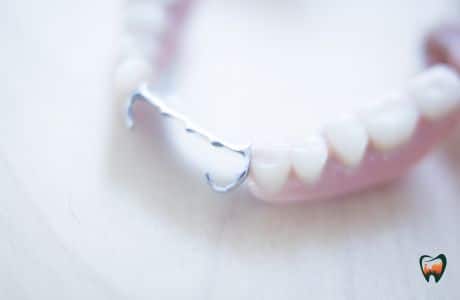
We design partial dentures for individuals who still have some natural teeth. They fill the gaps left by missing teeth and can prevent the remaining teeth from shifting. We usually make partial dentures from a combination of acrylic and metal to enhance durability.

  1. Fixed Partial Dentures (Bridges): This type of partial denture anchors to the adjacent natural teeth, providing stability and preventing movement. We reshape the surrounding teeth to accommodate crowns that support fixed partial dentures.

  2. Removable Partial Dentures: These dentures consist of replacement teeth attached to a gum-colored plastic base. They are removable, making it easy to clean and maintain oral hygiene.

Implant-Supported Dentures

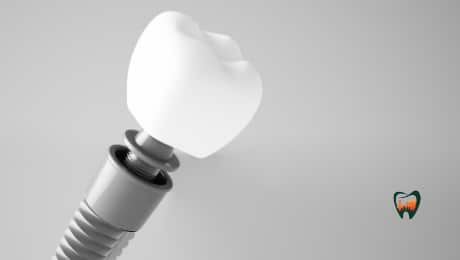
For patients seeking a more stable solution, implant-supported dentures are an excellent option. We anchor these dentures to dental implants, which are titanium posts surgically placed into the jawbone. This provides a strong foundation, reducing the risk of slippage while eating or speaking.

  1. Complete Implant-Supported Dentures: We use these when all teeth are missing, providing superior stability compared to traditional complete dentures.

  2. Partial Implant-Supported Dentures: If only some teeth are missing, we can attach partial implant-supported dentures to dental implants for enhanced support and comfort.

The Benefits of Dentures

  1. Restoration of Functionality: Dentures allow you to eat and speak comfortably, restoring your ability to enjoy a varied diet and communicate effectively.

  2. Aesthetic Improvement: Dentures enhance your smile and can improve your overall appearance, boosting your confidence.

  3. Support for Facial Structures: By filling in the gaps left by missing teeth, dentures help maintain the shape of your face and prevent sagging.

  4. Cost-Effective Solution: Compared to other tooth replacement options, dentures can be a more affordable way to restore your smile.

Caring for Your Dentures

Proper care is crucial for the longevity of your dentures. Here are some tips to keep in mind:

  • Daily Cleaning: Clean your dentures daily using a soft-bristled brush and denture cleanser. Avoid regular toothpaste, as it can be abrasive.

  • Soaking: Soak your dentures in a denture solution overnight to keep them moist and clean.

  • Avoiding Damage: Handle your dentures carefully to prevent dropping or damaging them.

  • Regular Dental Checkups: Visit your dentist regularly for checkups to ensure your dentures fit correctly and to monitor your oral health.

Contact Us

Understanding the different types of dentures can empower you to make informed choices about your dental health. At High Desert Dental, we believe that every patient deserves a personalized approach to their dental care. Whether you’re considering complete dentures, partial dentures, or implant-supported dentures, our team is here to guide you through the process and help you achieve a smile you can be proud of. Contact us today to schedule a consultation with the best dentist in Grand Junction, CO, and take the first step toward restoring your smile!

How to Properly Care for Your Dentures

How to Properly Care for Your Dentures July 15

How to Properly Care for Your Dentures

Maintaining Your Smile: Essential Care Tips for Denture Wearers in Grand Junction, CO

How to Properly Care for Your Dentures July 15
Good oral health is crucial for denture wearers, ensuring both the longevity of the dentures and overall well-being. We comprehend the unique needs of denture wearers and dedicate ourselves to delivering comprehensive care for a healthy, beautiful smile. As the best dentist in Grand Junction, CO, we are dedicated to offering essential care tips for denture wearers to help them maintain optimal oral health.

Proper Cleaning and Maintenance

One of the most important aspects of denture care is proper cleaning and maintenance. Dentures should be cleaned daily to remove food particles, plaque, and bacteria. Using a soft-bristled brush and a non-abrasive denture cleanser is recommended for effective cleaning. Avoid using abrasive materials, such as regular toothpaste, as they can cause damage to the dentures. Denture wearers should soak their dentures overnight to keep them moist and prevent drying. We offer guidance on effective cleaning techniques and products to maintain denture longevity and hygiene.

Regular Dental Check-Ups

Routine dental check-ups are crucial for denture wearers to monitor the fit and condition of their dentures, as well as to assess the overall oral health. As the best dentist in Grand Junction, CO, we recommend that denture wearers schedule regular appointments to have their dentures examined and professionally cleaned. Our dental team can assess gum and oral tissue health during these visits to promptly address any potential issues.

Proper Handling of Dentures

Proper handling of dentures is essential to prevent damage and maintain their fit. Handle dentures over a soft surface like a towel or water basin to prevent breakage if dropped. Avoid using hot water and biting on hard objects to prevent warping, fractures, or damage to dentures.

Healthy Dietary Habits

Maintaining a healthy diet is important for both oral and overall health, especially for denture wearers. A balanced diet with fruits, vegetables, lean proteins, and whole grains supports gum and oral tissue health. Avoiding sticky and hard foods can help prevent damage to the dentures and reduce the risk of oral discomfort. Staying hydrated is crucial to maintain oral tissue moisture and comfort for denture wearers. Drinking enough water can prevent dry mouth and keep the mouth and dentures clean.

Adapting to Dentures

Adapting to dentures takes time, and initial discomfort or speech and eating difficulties are normal. However, with patience and practice, most denture wearers adapt to wearing dentures and find them to be comfortable and functional. At High Desert Dental, we offer support to help denture wearers adjust and address any concerns.

Contact Us

Maintaining a healthy smile as a denture wearer requires proper care, regular check-ups, and a proactive approach to oral health. High Desert Dental, the top dentist in Grand Junction, CO, dedicates itself to helping denture wearers achieve and maintain a beautiful, healthy smile. With proper care and professional dental attention, denture wearers can enjoy a confident, radiant smile for years.

Implant-Supported Dentures

Implant-Supported Dentures

Implant-Supported Dentures

Implant-Supported Dentures: High Desert Dental's Approach to Stable and Secure Tooth Replacement

Implant-Supported Dentures

For those seeking a reliable and stable solution to missing teeth, implant-supported dentures offered by High Desert Dental provide a transformative answer. This innovative dental technology combines the best of dental implants with the convenience of dentures, offering patients a secure and natural-looking solution to restore both their smile and confidence. 

The Evolution of Dentures – Enter Implant Support

Traditional dentures, while effective, can sometimes pose challenges in stability and comfort. High Desert Dental recognizes that implant-supported dentures represent a significant leap forward in dental technology. By combining the strength and stability of dental implants with the convenience of dentures, patients can enjoy the best of both worlds.

The Implant-Supported Denture Advantage

Implant-supported dentures provide a range of advantages over traditional dentures. High Desert Dental prioritizes patient comfort and satisfaction, and implant-supported dentures offer improved stability, preventing issues such as slipping or discomfort. They also promote oral health by stimulating the jawbone, preventing deterioration and maintaining facial structure.

The Implant-Supported Denture Process

High Desert Dental’s approach to implant-supported dentures begins with a comprehensive consultation and examination. Our experienced team evaluates your oral health, discusses your goals, and designs a personalized treatment plan tailored to your unique needs.

The implant placement process involves surgically inserting dental implants into the jawbone. High Desert Dental utilizes state-of-the-art techniques and technology to ensure precision and comfort during this phase. Over time, the implants fuse with the jawbone through a process called osseointegration, creating a strong and stable foundation for the dentures.

Once osseointegration is complete, High Desert Dental places abutments on the implants. Abutments act as connectors between the implants and the denture, ensuring a secure fit. The final step involves attaching the customized denture to the abutments, providing you with a stable, natural-looking, and fully functional smile.

Restoring Confidence and Quality of Life

Implant-supported dentures from High Desert Dental go beyond restoring missing teeth; they restore confidence and enhance overall quality of life. With the stability and reliability they provide, implant-supported dentures empower individuals to eat, speak, and engage in social activities with confidence.

Contact Us Today

High Desert Dental is committed to providing patients with innovative solutions to achieve a secure and radiant smile. Implant-supported dentures represent a transformative option for those seeking stability and reliability in their tooth replacement solution. If you’re ready to experience the advantages of implant-supported dentures, schedule a consultation with High Desert Dental today. Our expert team is dedicated to guiding you on the path to a confident and secure smile that lasts a lifetime.

Partial Denture Solutions

Partial Denture Solutions

Partial Denture Solutions

Partial Dentures: How High Desert Dental Tailors Solutions to Preserve Your Natural Smile

Partial Denture Solutions

A complete and confident smile is a cornerstone of self-assurance and well-being. If you’re dealing with the challenges of missing teeth, partial dentures may be the perfect solution to restore your smile and enhance your quality of life. 

Understanding Partial Dentures

Partial dentures are custom-designed dental prosthetics that replace one or more missing teeth while preserving your natural smile. High Desert Dental recognizes the unique needs of each patient, and our experienced team is dedicated to crafting partial dentures that seamlessly blend with your existing teeth, providing both aesthetic and functional benefits.

Customization for a Natural Look and Feel

At High Desert Dental, we believe that your partial dentures should be as unique as your smile. Our skilled professionals work closely with you to design partial dentures that match the color, shape, and alignment of your natural teeth. The result is a beautifully customized prosthetic that not only restores your smile but also enhances your overall facial aesthetics.

Flexible Partial Dentures for Comfort

High Desert Dental understands that comfort is paramount when it comes to denture solutions. We offer flexible partial dentures that provide a snug fit and adapt seamlessly to the contours of your mouth. This innovative material enhances comfort and reduces irritation, allowing you to enjoy the benefits of a complete smile without compromising on ease of wear.

Metal Framework for Durability and Stability

For those seeking added durability and stability, High Desert Dental offers partial dentures with a metal framework. The metal base provides strength and support, ensuring a secure fit and minimizing the risk of slippage. This option is particularly suitable for patients who require additional stability for their partial dentures.

Implant-Supported Partial Dentures for Enhanced Functionality

For the ultimate in stability and functionality, High Desert Dental provides implant-supported partial dentures. Dental implants act as anchors, securely holding your partial denture in place. This solution not only prevents movement but also stimulates the jawbone, promoting oral health and preserving facial structure.

Contact Us

At High Desert Dental, our commitment is to empower you with a complete and confident smile. Partial denture solutions are a versatile and effective way to address the challenges of missing teeth, providing a personalized and comfortable restoration. If you’re ready to embark on a journey to complete your smile, schedule a consultation with High Desert Dental today. Our expert team is dedicated to guiding you through the process, ensuring a tailored and fulfilling experience on the path to a radiant and fully restored smile.

What Happens To Your Teeth When You Get Dentures?

What Happens To Your Teeth When You Get Dentures

What Happens To Your Teeth When You Get Dentures?

Understanding What Happens To Your Teeth When You Get Dentures

What Happens To Your Teeth When You Get Dentures

When it comes to dental health, dentures are a popular option for people who are missing teeth or have severely damaged teeth. Despite their popularity, many people still have doubts and questions about what happens to their teeth when they get dentures. If you are considering dentures as a solution, it is important to understand exactly what will happen to your teeth and how it will affect your dental health. In this blog post, we will take a closer look at what dentures are, how they work, and what happens to your teeth when you get them.

What Are Dentures?

Dentures are prosthetic teeth that can be removed from the mouth. They are designed to replace missing teeth and are usually made of acrylic resin or porcelain. There are two main types of dentures: complete dentures and partial dentures. Complete dentures are used when all teeth in the mouth are missing, while partial dentures are used when some teeth are missing.

How Do Dentures Work?

Dentures work by sitting on the gums and relying on suction to stay in place. They are custom-made to fit your mouth, and the fitting process involves taking impressions of your mouth and creating a mold. Dentures can take some time to get used to, and you may experience discomfort or soreness in the beginning. However, with time and practice, you will be able to wear them comfortably.

What Happens To Your Teeth When You Get Dentures?

When you get dentures, your remaining teeth will be examined and assessed for their health. If some of them are severely damaged or decayed, they may need to be extracted. However, if they are healthy and in good condition, they can be left in place. Your dentist may suggest that you get partial dentures to replace the missing teeth or keep the remaining teeth as they are.

If you need complete dentures, the remaining teeth will be removed and the gums will be given time to heal before the dentures are fitted. This process can take several weeks, and during this time, you may be given temporary dentures to wear. Once the gums have healed, a new set of dentures will be made and fitted to your mouth.

Contact Us Today!

Getting dentures can be a life-changing decision for many people. Knowing what happens to your teeth when you get dentures is an important step in making an informed decision about your dental health. If you are considering dentures, it is important to have a thorough examination and consultation with a trusted dentist to discuss your options and find the best solution for you. At High Desert Dental in Grand Junction CO, we are committed to helping our patients achieve optimal dental health and provide affordable, quality dentures to meet their unique needs.

How to Care for Your Dentures

How to Care for Your Dentures

How to Care for Your Dentures

How to Care for Your Dentures – A Comprehensive Guide

How to Care for Your Dentures

Dentures are a popular replacement for missing teeth, with millions of people in the United States using them as a solution. Like natural teeth, they require daily care and maintenance to ensure optimal function and longevity. At High Desert Dental in Grand Junction, CO, we understand the importance of providing our patients with the tools necessary to maintain their oral health. That’s why we’ve compiled this comprehensive guide on how to care for your dentures.

Daily Cleaning

Just like natural teeth, dentures require daily cleaning to remove food particles and bacteria that can cause gum irritation and infection. Gently brush your dentures with a soft-bristled brush and non-abrasive denture cleaner each day. Avoid using regular toothpaste, as it can be too abrasive and damage your dentures. Rinse your dentures thoroughly with water after cleaning to remove any leftover residue.

Soaking

Dentures should be soaked in a special solution overnight or during periods of extended wear. This will help to remove any stains, odors, or built-up bacteria that can accumulate on the surface of the dentures. Soaking solutions can be purchased at most drugstores or online, and should be used as directed.

Handling

Handle your dentures with care to avoid damaging them. Hold them over a towel or basin of water when cleaning to prevent them from breaking if they fall. Avoid using sharp objects to clean your dentures, as they can scratch or otherwise damage the surface. When not in use, keep your dentures in a safe and dry place to prevent damage.

Regular Checkups

Regular dental checkups are important for maintaining good oral health and ensuring that your dentures fit correctly. At High Desert Dental, we recommend that our denture-wearing patients come in for a checkup every six months to ensure that the fit is still good and to address any issues that may have arisen. We can also provide additional care tips and advice on keeping your dentures clean and functional.

Tips for Eating and Speaking

Eating and speaking with dentures can take some getting used to, but with practice, it can become second nature. Start with soft foods and cut your food into small pieces to make eating easier. Avoid sticky or hard foods that can damage your dentures. If you experience difficulty speaking, practice speaking out loud at home and work on using various tongue and lip movements to achieve better pronunciation.

Contact Us Today!

At High Desert Dental in Grand Junction, CO, we believe that taking care of your dentures is an essential component of maintaining good oral health. By following the tips outlined in this guide, you can ensure that your dentures last as long as possible and remain in good condition. If you have any concerns about your dentures or would like to schedule a checkup, please do not hesitate to contact us. We are always here to support our patients in their oral health journey.

Dentures vs Dental Implants

Dentures vs Dental Implants

Dentures vs Dental Implants

What Is the Difference Between Dental Implants and Dentures?

Dentures and dental implants in Grand Junction CO provide similar functions: they help you chew food, support your face muscles, enhance your speech, and make you feel more confident; yet, there are some distinctions between the two. Let’s take a closer look at the option of dental implants and dentures in Grand Junction CO before delving into their benefits to assist you in selecting the best choice for you.

What Exactly Are Dentures?

Dentures are artificial teeth that are removable and may be fitted to your mouth. Dentures come in a variety of styles, including those that replace all of the teeth in the upper or lower jaw and those that merely replace a few missing teeth.

What Exactly Are Dental Implants?

A metal prosthetic root that is inserted in the jawbone holds dental implants in place. The dental crown, which resembles a tooth, is attached to the top. Because implants are not detachable, they may be compared to permanent tooth replacements. There are also several kinds of dental implants accessible.

Dental Implants vs. Dentures: What Are the Advantages?

Our friends over at Stuart Dentist, the best dentist in Stuart FL help us look at the advantages of dental implants and dentures!

Dentures

  • They are less expensive than dental implants.
  • They are the greatest option for persons with weak or diseased gums and jaws.
  • Dentures are non-invasive, so you won’t need to be numbed or have a dentist drill into your bone.
  • Dentures give your mouth time to recover after tooth extraction.
  • Any denture damage may be readily repaired or adjusted.
  • Unlike dental implants, dentures may be trial tested.

Dental Implants

  • Research has shown that implants have a lifespan of more than 20 years.
  • Dental implants also provide a more natural appearance and do not need removal for cleaning regularly.
  • Furthermore, they aid in the preservation of your jawbone’s natural structure.

In a nutshell, the key differences between the two treatments are the expense of dentures vs. implants and the length of time they typically survive before needing to be replaced.

Before Making a Decision

Now that you’re aware of the benefits of dentures and dental implants, you may believe you’re fully prepared to decide on which solution to choose; however, with so much at stake (such as your overall health and self-esteem), we recommend you consult your Grand Junction dentist before making a decision.

Dentures vs Dental Implants

Contact High Desert Dental Today

Our team of experts are here to help you make the decision that will help better your smile and give you a smile that you are confident with. Contact us today to schedule an appointment to sit down with the best dentist in Grand junction CO. Take the first step and give us a call.

Dentures FAQ

dentures FAQ Grand Junction CO dentist

Dentures FAQ

What is the Dentures Process Like?

dentures FAQ Grand Junction CO dentist

Dentures are an excellent option for patients who do not want to undergo a lengthy procedure but still require a replacement for missing or extracted teeth. Dentures in Grand Junction CO can be taken out and put back in your mouth whenever you want. Patients at High Desert Dental can receive full or partial dentures, depending on their specific needs. Today on the blog, our dentist in Grand Junction CO shares our Dentures FAQ. 

What is the Procedure for Getting New Dentures?

Standard dentures typically take a few weeks and four or five appointments. Below, our Grand Junction dentist shares our process.

  1. Impressions – a mold of your gums and/or teeth is taken.
  2. Bite Registration entails measuring your bite and selecting your new teeth with your Wax.
  3. Try-On –  This is when you get to see and try on your new dentures before they are finished.
  4. Take-Home – Finally, you get to take your new teeth home with you.

When Will Dentures Feel Normal? 

Dentures, like any new appliance, may feel strange at first. Even the best-fitting dentures will feel awkward at first, so new denture wearers should give themselves some time to adjust to their new “teeth.” While most patients can resume normal speech within a few hours, many patients report eating discomfort for several weeks. Start with soft, easy-to-chew foods to get used to chewing with a new denture. Denture wearers may also notice a slight change in facial appearance, increased salivary flow, or minor speech difficulty.

They may cause increased salivation or alter speech. To begin, cut food into small pieces, avoid hot foods, and avoid hard foods until the tissue on which the denture rests becomes accustomed to the new teeth. They will become more familiar to you as time passes. This will take time, and you may experience some sores at first; don’t be alarmed.

What Do I Do If My Dentures Are Slipping? 

The tissue and bone may shrink slightly over time. Your dentures will become looser as a result of this. Additionally, as you lose or gain weight, you may notice that your denture loosens. Dr. Eastham, the best dentist in Grand Junction CO, explains that they can be relined to fit snugly again. However, if their bases have deteriorated significantly, you may need to get a new denture.

Who is a Candidate for Dentures?

Everyone who is missing teeth in some way should wear a denture. Complete dentures are used for people who are edentulous (have no natural teeth left), while partial dentures are used for people who have some natural teeth left. A partial is necessary to keep the remaining natural teeth from shifting, which will happen if the gaps are not filled in. Additionally, our friends at College Hill Dental, Easton PA Dentist, explain that dentures improve chewing and speech while also providing facial support. Thus, this improves your appearance and smile dramatically.

Do I Brush my Dentures the Same Way I Brush my Natural Teeth?

If possible, dentures should be cleaned after each meal. The best method is to remove and rinse them. Brushing the dentures and rinsing the mouth to remove any debris is recommended if one is able. Brushing is always recommended if some natural teeth remain. Soak your dentures at night after brushing them; if desired, use a denture cleaner such as Renew. Allowing them to dry out may cause them to warp. It is also far healthier to leave your dentures out overnight to avoid putting undue strain on the soft tissue and bone. Always brush your tongue and gently brush your gums with a soft toothbrush. On the dentures, special denture brushes should be used. Dentures should not be cleaned with regular toothpaste because it is too abrasive.

Do I Wear My Dentures at Night? 

Under normal circumstances, it is recommended that they be removed at night. Dr. Kim, Dentist Lexington KY, explains that removing the denture for at least eight hours during the day or night allows the gum tissue to rest while also allowing normal stimulation and cleansing by the tongue and saliva. This promotes better long-term gum health.

Do I Still Need Dental Appointments If I Have No Natural Teeth? 

It is critical to maintaining regular checkups so that your Denturist can examine your oral tissues as well as your dentures. Your mouth will continue to change as you age as the bone beneath your denture shrinks or recedes. It is necessary to adjust, reline, or remake your denture over time in order to maintain a proper fit. Never attempt to adjust a denture on your own, and avoid using denture adhesives for an extended period of time. 

Contact High Desert Dental for Dentures in Grand Junction CO

Ready to get started with replacing your missing teeth? Contact High Desert Dental today. Our team would love to get you fitted for dentures and restore your smile.