The Anatomy of Your Teeth

The Anatomy of Your Teeth

The Anatomy of Your Teeth

Understanding the Anatomy of Your Teeth
The Anatomy of Your Teeth

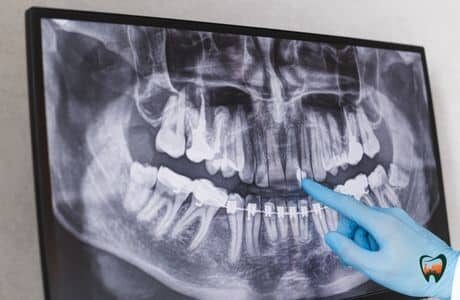
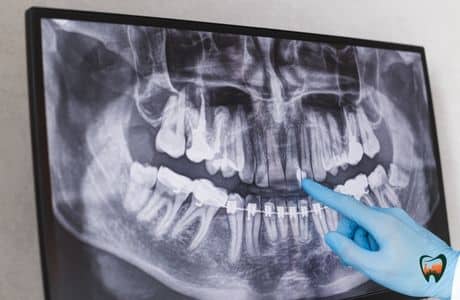
As a patient of High Desert Dental, you know the importance of maintaining good oral hygiene to ensure the longevity of your teeth. However, have you ever stopped to wonder about the anatomy of your teeth? Understanding the structure of your teeth can help you better appreciate the complexity of your mouth and how to care for it properly. In this post, we’ll take a deep dive into the anatomy of your teeth, so you can be better informed about how to maintain a healthy mouth.

Enamel

The outermost layer of your tooth is called the enamel. This is the hardest and most mineralized substance in your body, providing a protective layer for the underlying structures of your teeth. While enamel is incredibly strong, it can still be damaged by poor oral hygiene or trauma, which can lead to tooth decay, cavities, and other issues.

Dentin

Beneath the enamel lies the dentin, which is softer in nature than the enamel but still incredibly durable. The dentin makes up the majority of the tooth and contains tiny tubes called dentinal tubules, which allow communication between the enamel and the nerves in the center of the tooth.

Pulp

At the center of each tooth lies the pulp, which contains nerves, blood vessels, and connective tissue. The pulp is responsible for supplying nutrients to the tooth and provides the sensation of hot and cold. If the pulp becomes damaged, infection or abscesses can occur, leading to a need for a root canal.

Cementum and Periodontal Ligament

The cementum is a thin layer of calcified tissue covering the root of the tooth, while the periodontal ligament attaches the cementum to the bone. These two structures help to anchor the tooth in place, allowing it to withstand the force of chewing and biting.

Anatomy of a Tooth’s Crown

Finally, we have the anatomy of a tooth’s crown. The top of your tooth, visible above the gums, is called the crown. It consists of the enamel and dentin layers, as well as the pulp chamber and root canals. Your incisors are the straight-edged teeth in the front of your mouth, while the canine teeth are sharp and pointed. Your molars and premolars are flat and wide, making it easier to chew and grind food.

Contact Us Today!

Understanding the anatomy of your teeth can be helpful in maintaining a healthy mouth. Ensuring proper oral hygiene, such as brushing and flossing regularly, can help to protect your enamel and reduce the risk of tooth decay. Regular dental checkups at High Desert Dental can also ensure the overall health of your mouth and identify any potential dental issues before they become more serious. At High Desert Dental, we are committed to providing our patients with the best oral care possible so that they can enjoy a healthy and beautiful smile for years to come.

Tooth Extraction Appointment Tips

Tooth Extraction Appointment Tips

Tooth Extraction Appointment Tips

Tooth Extraction Appointment Tips: What to Expect and How to Prepare

Tooth Extraction Appointment Tips

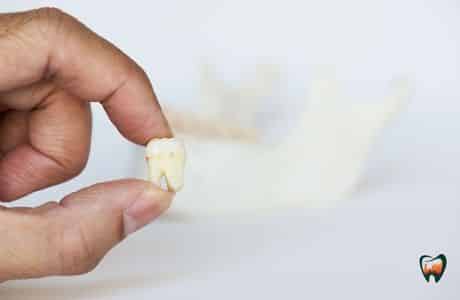
Tooth extractions in Grand Junction CO are a common dental procedure often done to remove wisdom teeth, decayed, or damaged teeth. It can be a daunting experience for many people, especially those who have never undergone this dental procedure before. If you’re scheduled for a tooth extraction in Grand Junction, Colorado at High Desert Dental, this blog post outlines what to expect and how to prepare for your appointment.

Know your dental history

It’s essential to inform your dentist of any dental problems or medical conditions you have before the procedure. This information can affect the tooth extraction process and the anesthetic type and amount you receive. Your dentist will also need to know what medications you’re taking.

Follow the Pre-Operative Instructions

After scheduling your tooth extraction, your dentist will provide instructions on how to prepare for your appointment. These instructions may include dietary restrictions, prohibiting alcohol and smoking, and ensuring that you have someone to accompany you to the appointment. Following these instructions can help you avoid complications during the procedure.

Listen to your Dentist’s Anesthetic Recommendations

Tooth extraction typically involves the administration of local anesthesia to numb the affected area. Your dentist may recommend sedation depending on the complexity of the extraction and your anxiety level. In such cases, you’ll need to take additional precautions, especially if you plan to drive home after the appointment. Listen to the advice of your dentist and ask any questions you may have to ease your concerns.

Take Time Off

The duration of recovery varies depending on the complexity of the tooth extraction. In most cases, recovery after a tooth extraction takes about a week. Be sure to give yourself time off work to recover fully. Plan to rest, eat soft foods, stay hydrated, and avoid strenuous activities. Ensure that you have someone to assist you with daily activities such as driving or shopping for your essentials.

Follow Post-operative Instructions

After your procedure, your dentist will provide you with detailed post-operative instructions. These instructions may include changing gauze pads over the affected area, eating a soft food diet, avoiding alcohol or driving, and taking medication to relieve pain and swelling. Follow these instructions to speed up your healing process and avoid complications.

Contact Us Today!

Tooth extraction is a minor dental procedure that can help alleviate dental pain and prevent future complications. By following these tips, you can prepare for your appointment and ensure a smooth recovery. At High Desert Dental in Grand Junction, Colorado, our team of dental professionals is dedicated to providing you with affordable, compassionate, and quality care. Contact us to schedule your tooth extraction appointment today.

Dental Implant Options

Dental Implant Options

Dental Implant Options

Your Complete Guide to Dental Implant Options

Dental Implant Options

Missing teeth can have a serious impact on your confidence and ability to enjoy everyday activities like speaking and eating. Fortunately, dental implants can help fill in gaps in your smile and restore your functionality. At High Desert Dental in Grand Junction, CO, we offer a variety of dental implant options to meet your needs. Read on to learn more about what dental implants are and which option might be right for you.

What are dental implants?

Dental implants are metal posts that are surgically placed into your jawbone. Over time, your bone will fuse with the implants, helping to anchor them in place. Once the implants are secure, they can be used to support a variety of dental restorations, from single crowns to full arches of teeth. Dental implants in Grand Junction CO are known for their durability and natural look and feel, making them an excellent option for many patients.

Types of dental implants

There are several types of dental implants available to meet your unique needs. We offer endosteal implants, which are the most common type and are placed directly within the bone. Subperiosteal implants are also available, which are placed above the bone but under the gum tissue. We can help you determine which option is best for you based on your dental history, bone structure, and goals.

Other implant options

In addition to traditional implants, we also offer mini dental implants and All-On-4 treatment. Mini dental implants are smaller than traditional implants and can be a good option for patients who have less bone density or are looking for a less invasive option. All-On-4 treatment involves placing four implants in strategic locations and then attaching a full arch of teeth to them. This treatment is a great option for patients who have lost a significant amount of teeth or are looking for a faster, more cost-effective alternative to traditional dentures.

The implant process

The dental implant process generally involves several steps, beginning with a consultation and evaluation to determine if implants are right for you. If you are a good candidate, we will schedule your implant placement surgery, during which the implants will be placed into your jawbone. After a healing period of several months, we will check your implants to ensure they have securely fused with your bone. Once they are ready, we will attach your dental restoration to complete your new smile.

Contact us Today!

At High Desert Dental in Grand Junction, CO, we are dedicated to helping our patients achieve optimal oral health and confidence. Our dental implant options are designed to provide you with a long-lasting, comfortable, and natural-looking smile. If you’re interested in dental implants, we encourage you to schedule a consultation with us. We will be happy to answer your questions and help you determine which option is best for you.

Cavity Prevention Over 50

Cavity Prevention Over 50

Cavity Prevention Over 50

Essential Tips for Cavity Prevention Over 50

Cavity Prevention Over 50

Oral health is an essential aspect of general healthcare, especially in adults over 50. As you age, your body undergoes changes that increase the risk of dental problems like cavities, dry mouth, and gum disease. Although these conditions are treatable, it’s better to prevent them from occurring in the first place. At High Desert Dental, we understand the importance of maintaining good oral hygiene practices at every age, which is why we’ve compiled a list of essential tips for cavity prevention over 50. Keep reading to find out more!

Brush Twice Daily with a Fluoride Toothpaste

Brushing your teeth regularly with fluoride toothpaste is a non-negotiable issue if you want to prevent cavities. Fluoride strengthens the enamel, making it more difficult for bacteria to thrive on the teeth. Furthermore, it helps to remineralize any demineralized enamel that has been attacked by plaque acid. We suggest using a soft-bristled brush and brushing twice daily for at least two minutes to ensure thorough cleaning.

Floss Daily

Flossing is an integral part of oral health that many people overlook. Flossing gets rid of food particles and debris trapped between the teeth that a toothbrush can’t reach. If you don’t remove these particles, they turn into plaque and eventually lead to cavities. Use gentle back-and-forth motions to get rid of the debris without damaging your gums.

Watch Your Diet

Your diet can significantly affect your oral health. Foods high in sugar and starch increase the production of plaque, leading to cavities. Instead, opt for a balanced diet that includes fruits, vegetables, and lean protein. If you consume sugary foods or drinks, ensure you rinse with water or brush your teeth after to remove any residue.

Chew Gum with Xylitol

Chewing sugarless gum that contains xylitol can help prevent cavities. Xylitol is a natural sweetener that doesn’t end up being fermented by mouth bacteria to produce acid, which causes tooth decay. Chewing gum also helps stimulate the production of saliva, which can neutralize the acid in the mouth that causes cavities.

Regular Dental Checkups

Regular dental checkups are crucial in cavity prevention, especially in older adults. As you age, your teeth weaken, making them more susceptible to cavities and other gum diseases. Having regular dental cleanings and exams ensures that any problem is caught early and treated promptly, thereby preventing additional complications.

Contact Us Today!

Cavity prevention is essential for everyone, especially in older adults. While there are many activities you can do to prevent cavities, the most effective way is to maintain good oral hygiene practices. Brush twice daily, floss daily, watch your diet, chew gum with xylitol, and visit your dentist regularly. At High Desert Dental, we have a team of experienced dentists who provide comprehensive dental care services to patients in Grand Junction, CO. Call us today to schedule an appointment!

Should I Replace Old Metal Fillings?

Should I Replace Old Metal Fillings

Should I Replace Old Metal Fillings?

Should I Replace Old Metal Fillings?

Should I Replace Old Metal Fillings

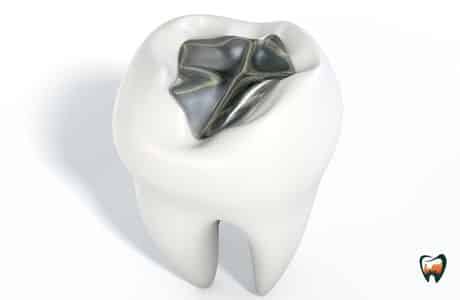
Metal fillings are a common and effective solution for tooth decay. However, as time passes, the metal filling may cause a variety of dental issues. As dental health experts in Grand Junction CO, we often get asked if it’s time to remove the old metal fillings and replace them with new ones. In this blog post, we’ll discuss the pros and cons of replacing old metal fillings and guide you through the crucial things to consider before getting them replaced.

How long do metal fillings last?

Metal fillings are durable and can last for decades. However, they may start to wear out or break down over time. As the filling ages, it can expand and contract over and over. As a result, the filling can lose its sealing ability, and bacteria may penetrate the tooth, causing more decay. Additionally, as the filling deteriorates, it may cause cracks or fracture in the tooth. If either occurs, it is a sign that the filling needs replacing.

Some signs indicate that your filling may need replacing:

It is essential to be aware of the warning signs that indicate your filling may need replacing. Watch out if you experience sensitivity to hot or cold beverages, sharp pain when biting food, recurrent bad breath, or a metallic taste in your mouth. Once you notice these symptoms, make an appointment with your Grand Junction dentist for an evaluation.

Composite fillings could be the answer

Composite or tooth-colored fillings provide an excellent alternative to the traditional metal fillings. They are made from a blend of glass and plastic and sit on your tooth, resembling your natural tooth color, making it invisible if applied correctly. Composite fillings do not contain mercury and offer a safer and healthier option. Furthermore, taking care of them is easy as regular brushing and flossing.

Consult with a dental health expert before making any decision

If you experience any of the issues mentioned, it is crucial to see a dental health professional for an evaluation. Whether you decide to keep your metal fillings or switch to the composite option, it’s essential to discuss your choice with a dental professional. They can give you an accurate assessment of the condition of your filling and help you decide the best treatment options for your dental health needs.

Contact Us Today!

While metal fillings can last for years, their performance will wane over time. Ultimately, the decision to replace old metal fillings rests with you and should be based on your dental health requirements. If you experience any of the issues mentioned above or have concerns about the composition of your metal fillings, it’s essential to visit your healthcare professional. They can guide and educate you on composite filling options and help you make the best decision for your dental health. At High Desert Dental, your dental health is our top priority. We are always willing to help our patients make decisions that ultimately benefit their dental health.

Dental Implant F.A.Q.’s

Dental Implant F.A.Q.s

Dental Implant F.A.Q.'s

Frequently Asked Questions about Dental Implants

Dental Implant F.A.Q.s

For anyone considering dental implants in Grand Junction CO, it is important to have the correct information in order to make an informed decision. At High Desert Dental in Grand Junction, CO, we are committed to providing our patients with all of the necessary information they need to make the best possible choice for their health. Here are some of the most frequently asked questions we receive about dental implants.

What Are Dental Implants?

Dental implants are a permanent tooth replacement solution that mimics your natural teeth in both look and feel. They consist of a titanium post that is inserted into your jawbone and acts as an artificial root. This post is then topped with a lifelike prosthetic tooth that looks exactly like your natural teeth.

Are Dental Implants Right For Me?

The only way to know whether dental implants are right for you is to consult with an experienced implant dentist. During your consultation, your dentist near you will assess your overall oral health and determine if you have enough healthy bone tissue in your jaw for successful implant placement. If not, there may be other solutions available such as bridges or dentures that can help restore your smile.

How Long Does It Take To Get Dental Implants?

The process of getting dental implants can take anywhere from 6-8 months depending on how much preparatory work needs to be done before placement can occur. After placing the titanium posts into your jawbone, it will take several weeks for them to properly fuse with the surrounding bone tissue through a process called osseointegration. Once these posts are integrated, you’ll return to our office so we can attach the prosthetic teeth and complete the treatment process.

Contact Us Today!

We understand that when it comes to something as important as dental implants, you want all of the facts before you make any decisions regarding your oral health care plan. If you have any further questions or would like to schedule an appointment at High Desert Dental in Grand Junction CO, please give us a call today! Our friendly staff would be more than happy to answer any additional questions you may have and help you find the best solution for restoring your smile back to its full glory!

Benefits Of Regular Dental Visits

Benefits Of Regular Dental Visits

Benefits Of Regular Dental Visits

Top Reasons Why You Should Visit The Dentist Regularly

Benefits Of Regular Dental Visits

Everyone knows the importance of regular dental visits, but it can be easy to put off. After all, what’s the worst that could happen? However, regular trips to the dentist are essential for many reasons. Here we’ll look at just a few of them and why High Desert Dental in Grand Junction CO should be your go-to place for dental health.

Preventive Care

The best way to keep your teeth healthy is to practice preventive care. This means brushing and flossing regularly, eating a healthy diet, and visiting you Grand Junction CO dentist every six months or so for cleanings and checkups. During these visits, our professional staff will examine your teeth for signs of decay or gum disease. If any issues are found, they can be treated quickly and easily before they worsen or cause more serious problems.

Early Detection

Regular dental visits also allow us to detect any problems early on before they become serious or even life-threatening. For example, we may detect a cavity that has not yet caused pain or other symptoms but could eventually lead to tooth loss if left untreated. In addition, during each visit we will be able to check for signs of oral cancer which is far easier—and much more likely—to treat if caught early on.

Oral Hygiene Education

Finally, regular dental visits are invaluable when it comes to learning how to maintain proper oral hygiene habits on your own at home. Our expert dentists in Grand Junction CO here at High Desert Dental can offer personal advice based on individual needs that you can apply directly when you get home so you can take better care of yourself between appointments. We believe in empowering our patients with knowledge so they understand the importance of good oral hygiene habits and can make informed decisions about their own healthcare choices moving forward!

Contact Us Today!

Regular dental visits are an essential part of taking care of your teeth and gums properly over time. Not only do regular trips to the dentist help prevent cavities and gum disease from forming in the first place, but they also provide an opportunity for us at High Desert Dental in Grand Junction CO to catch any issues early on so that treatment can begin as soon as possible before any further damage occurs. In addition, our experienced staff provides personalized advice on how you can best take care of yourself between appointments so you don’t have to worry about developing any major issues down the line due to poor oral hygiene habits! Schedule your next appointment today!

Overcoming Your Fear Of The Dentist

Overcoming Your Fear Of The Dentist

Overcoming Your Fear Of The Dentist

Conquering Your Fear of the Dentist

Overcoming Your Fear Of The Dentist

A trip to your Grand Junction CO dentist can be filled with trepidation for many people. It is not uncommon to become overwhelmed with anxiety when it’s time to go in for a checkup or procedure. High Desert Dental, located in Grand Junction CO, understands this fear and offers several tips and tricks that can help you conquer your uneasiness. Let’s take a look at some of them now.

Find the Right Dentist for You

First and foremost, it is important to find a dentist near you who will make you feel comfortable. Look up reviews online, ask friends and family members who they recommend, or call around to different offices until you find one that best fits your needs. Once you have found the right dentist for you, communicate clearly what makes you anxious—whether it’s the sound of the drill or how much pressure the dentist applies during cleaning—so that he or she can adjust accordingly.

Bring a Friend

If possible, bring someone along with you on your appointment. Having a friend present can help ease your anxiety by providing moral support while also providing comfort and familiarity. This person may also be able to remind you when it’s time to take a break if you need one during longer procedures.

Distract Yourself

Bring headphones along with your favorite music playlist so that you have something else to focus on rather than just being aware of what is happening inside of your mouth. Listening to music can provide an escape from reality in which it’s just yourself and music instead of yourself and the dentist’s chair! Additionally, focusing on breathing in through your nose and out through your mouth can also be helpful in slowing down your heart rate while calming nerves simultaneously.

Contact Us Today!

At High Desert Dental in Grand Junction CO, we understand how uncomfortable visiting the dentist can be for many patients. That is why our staff works hard each day to ensure that every patient feels safe and secure throughout their entire appointment experience from start to finish. We hope these tips will help make conquering dental phobia easier for those who are nervous about coming into our office! If additional assistance is needed please do not hesitate to reach out directly so we can discuss further options available! After all, taking care of your teeth should not be something that brings fear but rather excitement as healthy teeth lead to a healthy life! 

Best Treatments For Teeth Sensitivity

Best Treatments For Teeth Sensitivity

Single Tooth Replacement Options

3 Treatments to Relieve Teeth Sensitivity at High Desert Dental

Best Treatments For Teeth Sensitivity

If you’re experiencing sensitivity in your teeth, you know it can be quite uncomfortable. Whether it’s when you drink or eat something hot or cold, the pain of sensitive teeth is often sharp and sudden. At High Desert Dental in Grand Junction CO, we offer treatments to help relieve the pain and discomfort of tooth sensitivity.

Fluoride Treatment

One of the most common treatments for tooth sensitivity is a fluoride treatment. Fluoride is a mineral that helps strengthen enamel, making your teeth more resistant to acids and other compounds that can cause sensitivity. Additionally, fluoride helps remineralize any weakened enamel on your teeth, which can help reduce sensitivity. During an office visit, our team will apply a fluoride gel to your teeth and allow it to sit for several minutes before rinsing it off. This simple procedure can provide relief from sensitivity.

Desensitizing Toothpaste

Another great way to reduce tooth sensitivity is through the use of desensitizing toothpaste. These special toothpastes contain ingredients like strontium chloride or potassium nitrate that help block the nerves inside your teeth from registering sensations like heat or coldness that can lead to pain and discomfort. It may take several weeks of using desensitizing toothpaste before you start feeling relief, so make sure you use it regularly as directed by our team at High Desert Dental in Grand Junction CO.

In-Office Treatments

If other treatments have not been successful in reducing your tooth sensitivity, we may suggest an in-office treatment such as bonding or crown placement. Bonding involves applying a composite resin material directly onto the affected areas of your teeth while crown placement requires covering the entire visible portion of a damaged or decayed tooth with an artificial cap made out of porcelain or metal materials. Both procedures are designed to protect sensitive areas on your teeth from further damage and can provide relief from painful sensations when eating or drinking hot or cold foods and beverages.

Contact Us Today!

At High Desert Dental in Grand Junction CO, we understand how uncomfortable it can be when dealing with sensitive teeth and want to help you find relief as soon as possible. Our knowledgeable staff provides comprehensive dental care services for patients who are suffering from this condition, including fluoride treatments, desensitizing toothpastes, bonding procedures, and crown placement services if necessary. Contact us today if you’d like more information about how we can help treat your sensitive teeth!

How To Take Care Of Your Toothbrush

What Is The Cause Of Bad Breath

How To Take Care Of Your Tooth Brush?

How To Keep Your Toothbrush in Top Condition

What Is The Cause Of Bad Breath

Taking care of your toothbrush is important for keeping your teeth and gums healthy. At High Desert Dental, we recommend that you replace your toothbrush every three to four months and follow the best practices to ensure that your brush is as clean as possible. Read on to find out more about proper toothbrush care.

Proper Storage

After each brushing, it’s important to properly store your toothbrush so that it will stay clean and last for as long as possible. Rinse the bristles thoroughly with water after each use and stand the brush upright so that any remaining water can drain away from the bristles. Never cover a wet brush, as this can lead to bacteria growth and make the bristles wear down faster.

In addition, it’s best to keep your toothbrush away from other people’s brushes in order to reduce cross-contamination. If you have multiple family members who share a bathroom, consider buying individual containers for each person’s toothbrush so that they can be stored separately.

Cleaning Your Toothbrush

It goes without saying that raw sewage and fecal matter can contain harmful bacteria, meaning that certain cleaning agents should not be used on your brush. If you feel like your toothbrush needs an extra cleaning beyond regular rinsing, try running it through the dishwasher or soaking it in white vinegar overnight once a month or so. Never soak your brush in mouthwash or bleach because these products can damage its bristles over time and leave behind residue.

Keep Away From Illnesses

If someone in your household comes down with a cold or other illness, make sure you either throw their toothbrush away or sterilize it before using it again. The same goes for any visitors who may come into contact with shared surfaces like sinks and countertops—it’s always best to err on the side of caution when it comes to oral hygiene!

Contact Us Today!

Properly caring for and storing your toothbrushes is essential for maintaining good oral health overall. Follow our recommendations above by replacing old brushes every three to four months, storing them separately from others in the household, and giving them an extra cleaning every now and then if needed. By following these tips, you’ll help keep yourself healthy while also making sure that your teeth stay sparkling clean! If you have any questions about proper dental care at High Desert Dental in Grand Junction CO please give us a call today! We look forward to hearing from you!