
How Bone Grafts Support Dental Implants

How Bone Grafts Support Dental Implants

How Bone Grafts Support Dental Implants

How Bone Grafts Support Dental Implants from High Desert Dental

How Bone Grafts Support Dental Implants

Dental implants are one of the most reliable and long-lasting solutions for missing teeth. They restore function, protect jaw health, and create a natural-looking smile. However, not every patient immediately qualifies for implants. In some cases, the jawbone needs additional support before an implant can be placed. That’s where bone grafting plays an essential role.

At High Desert Dental, we help patients rebuild strong, healthy foundations for successful implants. If you’re searching for the best dentist in Grand Junction, CO, understanding how bone grafts support dental implants can help you feel confident about your treatment options.

Why Jawbone Health Matters for Dental Implants

Dental implants are designed to function like natural tooth roots. A small titanium post is placed into the jawbone, where it fuses with the bone in a process called osseointegration. This fusion creates a stable base for a crown, bridge, or denture.

For an implant to succeed, there must be enough healthy bone to hold it securely in place. When bone density is insufficient, the implant may not integrate properly, leading to instability or failure.

This is why bone health is evaluated carefully before implant placement.

What Causes Bone Loss?

Bone loss in the jaw is common after tooth loss. When a tooth is missing, the bone that once supported it no longer receives stimulation from chewing forces. Over time, the body begins to reabsorb the unused bone.

Other causes of bone loss include:

  • Gum disease (periodontitis)

  • Trauma or injury

  • Infection

  • Long-term denture use

  • Developmental conditions

Without intervention, bone loss can progress, making implant placement more challenging. Fortunately, bone grafting can rebuild the necessary support.

What Is a Bone Graft?

A bone graft is a procedure that adds bone material to areas of the jaw where bone density has diminished. The graft material acts as a scaffold, encouraging your body to generate new bone cells and rebuild the weakened area.

Over time, the graft integrates with your natural bone, creating a stronger, more stable foundation for dental implants.

Patients visiting the best dentist in Grand Junction, CO often learn that bone grafting opens the door to implant treatment they previously thought wasn’t possible.

Types of Bone Grafts

There are several types of bone graft materials used in modern dentistry:

Autografts
Bone taken from another area of your own body.

Allografts
Processed donor bone from a tissue bank.

Xenografts
Bone material derived from animal sources.

Synthetic grafts
Biocompatible materials designed to stimulate bone growth.

Your dentist will recommend the most appropriate option based on your specific needs and treatment goals.

When Is a Bone Graft Needed?

Bone grafts may be recommended in several situations:

After Tooth Extraction
Sometimes a graft is placed immediately after a tooth is removed to preserve bone volume. This is called socket preservation.

Before Implant Placement
If significant bone loss has already occurred, a graft may be needed months before implant surgery to rebuild the area.

Sinus Lift Procedures
For implants in the upper back jaw, a sinus lift combined with bone grafting may be necessary to create adequate height for implant placement.

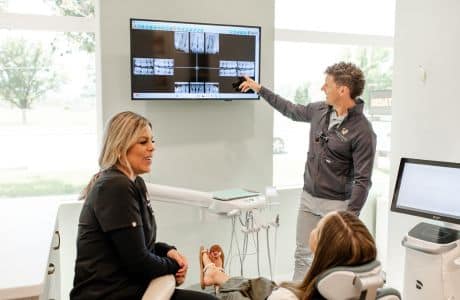
At High Desert Dental, thorough imaging and evaluation ensure we determine whether grafting is needed before proceeding with implants.

The Bone Grafting Process

The procedure itself is typically straightforward. After numbing the area for comfort, the graft material is placed where bone is deficient. The site is then secured and allowed to heal.

Healing time varies depending on the size of the graft and your body’s natural healing ability. In many cases, it takes several months for the new bone to fully integrate and become strong enough to support an implant.

While this may seem like a lengthy process, it significantly increases the long-term success of your dental implant.

Benefits of Bone Grafting for Implants

Bone grafting offers several important advantages:

Improved Implant Stability
A strong jawbone ensures the implant remains secure and durable.

Prevention of Further Bone Loss
The graft stimulates new bone growth, helping maintain facial structure.

Enhanced Aesthetics
Proper bone support allows for natural-looking implant placement.

Expanded Treatment Options
Patients previously told they weren’t candidates for implants may become eligible after grafting.

Choosing the best dentist in Grand Junction, CO ensures your treatment plan prioritizes both function and appearance.

Does Bone Grafting Hurt?

Many patients are surprised to learn that bone grafting is generally well-tolerated. Modern techniques and local anesthesia make the procedure comfortable. Mild swelling or soreness afterward is normal and typically manageable with over-the-counter medication.

Your dental team will provide detailed aftercare instructions to promote smooth healing.

Long-Term Impact on Oral Health

Bone grafting does more than support implants, it protects your overall oral health. Maintaining strong jawbone structure helps:

  • Preserve facial contours

  • Prevent shifting teeth

  • Support long-term bite alignment

  • Reduce future complications

By rebuilding lost bone, you’re investing in the stability and longevity of your smile.

A Strong Foundation for a Confident Smile

Dental implants are one of the most advanced restorative solutions available today. But their success depends on a solid foundation. Bone grafting provides the support necessary for implants to function just like natural teeth.

At High Desert Dental, we take a comprehensive approach to implant planning. If bone loss is present, we develop a customized treatment strategy to rebuild and restore your oral health properly.

If you’ve been told you may not qualify for implants, or if you’re exploring tooth replacement options, schedule a consultation with the best dentist in Grand Junction, CO. With the right preparation and care, even patients with bone loss can enjoy the long-term benefits of dental implants.

A healthy, complete smile starts with a strong foundation, and bone grafting makes that possible.

How Age Impacts Your Cosmetic Dentistry Options

How Age Impacts Your Cosmetic Dentistry Options

How Age Impacts Your Cosmetic Dentistry Options

How Age Impacts Your Cosmetic Dentistry Options in Grand Junction, CO

How Age Impacts Your Cosmetic Dentistry Options

A confident smile can make a powerful first impression, and cosmetic dentistry offers solutions for patients at nearly every stage of life. While many people assume cosmetic treatments are only for adults, the truth is that age plays an important role in determining which options are most appropriate and effective. At High Desert Dental, we tailor cosmetic dentistry treatments to each patient’s age, oral health, and long-term goals. Understanding how age impacts your cosmetic dentistry options can help you make informed decisions about your smile.

Cosmetic Dentistry for Children and Teens

For younger patients, cosmetic dentistry is typically conservative and prevention-focused. Because children and teens are still developing, the goal is to protect natural teeth while addressing concerns that may affect confidence or function.

Common cosmetic-related treatments for this age group include tooth-colored fillings for cavities, orthodontic evaluations, and minor enamel reshaping. Braces or clear aligners may be recommended to correct alignment issues, which not only improve appearance but also support long-term oral health.

Teens may also benefit from professional cleanings and education to prevent staining and enamel damage. More advanced cosmetic treatments, such as veneers or whitening, are usually postponed until growth is complete and oral health is fully stable.

Young Adults: Enhancing a Natural Smile

Young adulthood is often when patients begin exploring cosmetic dentistry more seriously. Teeth are fully developed, making this an ideal time for treatments that enhance appearance while preserving natural tooth structure.

Teeth whitening is one of the most popular cosmetic options for young adults, especially for addressing discoloration caused by coffee, tea, or lifestyle habits. Clear aligners may also be used to correct mild to moderate alignment issues discreetly.

During this stage of life, maintaining strong oral hygiene and attending regular dental visits is critical. Seeing the best dentist in Grand Junction, CO ensures cosmetic treatments are planned carefully and supported by a healthy foundation.

Cosmetic Dentistry for Adults in Their 30s to 50s

As patients move through their 30s, 40s, and 50s, natural wear and tear can begin to affect the appearance of their smile. Teeth may show signs of staining, minor chipping, or uneven edges. Past dental work may also become more noticeable or need replacement.

Cosmetic dentistry options during this stage often focus on restoration and enhancement. Dental veneers can improve the shape, color, and symmetry of teeth, while bonding may be used to repair small chips or gaps. Teeth whitening remains a popular choice, especially when combined with other treatments.

At this age, dentists also consider factors such as gum health, bite alignment, and enamel thickness when planning cosmetic procedures. A personalized approach helps ensure results look natural and last longer.

Seniors and Cosmetic Dentistry: Restoring Confidence

Cosmetic dentistry can be just as beneficial for seniors as it is for younger patients. Age-related changes such as enamel thinning, gum recession, and tooth loss can impact both appearance and function. Fortunately, modern cosmetic and restorative dentistry offers solutions that improve comfort and confidence.

Crowns, bridges, and dental implants can restore missing or damaged teeth, creating a more complete and youthful-looking smile. For seniors, cosmetic dentistry often blends aesthetics with function, focusing on improving chewing ability and overall oral health.

Regular dental visits are especially important for older adults, as conditions such as dry mouth or gum disease can affect treatment options. Working with a trusted dental provider ensures cosmetic treatments are safe, comfortable, and effective.

Why Age Matters in Cosmetic Treatment Planning

Age influences cosmetic dentistry not because of appearance alone, but because oral health needs change over time. Enamel strength, gum health, bone density, and existing dental work all play a role in determining which cosmetic options are appropriate.

At High Desert Dental, we evaluate these factors carefully before recommending any treatment. Our goal is to provide cosmetic solutions that enhance your smile while protecting your long-term oral health.

The Importance of a Healthy Foundation

No matter your age, cosmetic dentistry works best when teeth and gums are healthy. Addressing cavities, gum disease, or bite issues before cosmetic treatment ensures better results and longer-lasting outcomes.

Consistent dental care allows your dentist to monitor changes over time and adjust treatment plans as needed. This approach helps patients enjoy their cosmetic results with confidence, knowing their smile is built on a strong foundation.

Personalized Care at Every Stage of Life

Cosmetic dentistry isn’t one-size-fits-all, and age is just one of many factors your dentist considers. Lifestyle, goals, and oral health history all influence treatment recommendations.

If you’re considering cosmetic dentistry, partnering with the best dentist in Grand Junction, CO can make all the difference. At High Desert Dental, we offer personalized cosmetic solutions designed to help patients of all ages achieve smiles they’re proud to share. Schedule a consultation today and discover how cosmetic dentistry can enhance your smile—at any age.

How Diet Impacts Oral Health: Tips from a Grand Junction Dentist

How Diet Impacts Oral Health: Tips from a Grand Junction Dentist

How Diet Impacts Oral Health: Tips from a Grand Junction Dentist

How Everyday Food Choices Affect Cavities, Gum Health, and Your Smile in Grand Junction

How Diet Impacts Oral Health: Tips from a Grand Junction Dentist

When it comes to maintaining a healthy smile, your diet plays a bigger role than many people realize. What you eat and drink doesn’t just affect your waistline or overall health—it can have a direct impact on your teeth and gums. From cavities to gum disease, the foods you consume influence your oral health every day. At High Desert Dental, we help patients in Grand Junction understand how nutrition affects their smiles. Here’s a guide from the best dentist in Grand Junction, CO on how diet impacts oral health and simple tips for protecting your teeth.

The Connection Between Diet and Oral Health

Your mouth is the gateway to your body, and the foods you eat directly interact with your teeth and gums. Sugary and acidic foods can feed bacteria that cause cavities, weaken enamel, and lead to gum inflammation. Conversely, a nutrient-rich diet can strengthen teeth, promote healthy gums, and support saliva production, which naturally protects your teeth from decay.

Dental health and nutrition are closely linked, making it essential to be mindful of your daily choices. Even small adjustments to your diet can have a significant effect on your oral wellness.

Foods That Can Harm Your Teeth

Certain foods and drinks can increase the risk of cavities, enamel erosion, and gum disease. Some of the main culprits include:

  • Sugary snacks and beverages: Candy, soda, and sweetened drinks feed harmful bacteria, leading to acid production that damages tooth enamel.

  • Acidic foods: Citrus fruits, pickles, and vinegar-based foods can erode enamel if consumed excessively.

  • Sticky foods: Caramel, dried fruit, and gummy candies tend to cling to teeth, giving bacteria more time to produce acids.

  • Starchy foods: Chips, bread, and crackers break down into sugars in the mouth, promoting decay.

Being aware of these foods can help you make smarter choices for a healthier smile.

Foods That Promote Strong Teeth and Gums

Just as some foods harm your teeth, others can actively protect and strengthen them. A diet rich in vitamins, minerals, and fiber can help maintain oral health. Consider incorporating:

  • Dairy products: Milk, cheese, and yogurt are rich in calcium and phosphorus, which help strengthen tooth enamel.

  • Fruits and vegetables: Crunchy produce like apples, carrots, and celery help clean teeth naturally and stimulate saliva production. Leafy greens provide essential vitamins and minerals for gum health.

  • Lean proteins: Fish, eggs, and poultry supply phosphorus and other nutrients that support strong teeth.

  • Nuts and seeds: Almonds, walnuts, and sesame seeds provide minerals like calcium and magnesium for enamel protection.

A balanced diet not only supports oral health but also contributes to overall well-being.

The Role of Sugar and Acid in Tooth Decay

Sugar and acid are two of the biggest dietary threats to teeth. When sugar is consumed, bacteria in the mouth produce acids that attack enamel, creating cavities over time. Acidic foods and beverages, like citrus juices and soft drinks, can further weaken enamel, making teeth more vulnerable.

The best dentist in Grand Junction, CO recommends limiting sugary and acidic foods, drinking water after consuming them, and brushing and flossing regularly to protect your teeth. Moderation and proper oral hygiene can make a significant difference in preventing decay.

Hydration and Saliva: Nature’s Defense System

Saliva plays a critical role in oral health by neutralizing acids, washing away food particles, and providing minerals to repair early tooth damage. Staying hydrated helps maintain saliva production and keeps your mouth healthy. Water is the best choice, while sugary or caffeinated drinks should be consumed in moderation.

For residents of Grand Junction, simple habits like sipping water throughout the day, chewing sugar-free gum, and rinsing after meals can help support saliva production and protect teeth naturally.

Tips from a Grand Junction Dentist for a Tooth-Friendly Diet

  1. Limit snacking on sugary or sticky foods: Frequent snacking increases exposure to harmful acids.

  2. Include calcium-rich foods in every meal: Milk, cheese, and leafy greens strengthen enamel.

  3. Chew crunchy fruits and vegetables: They naturally clean teeth and stimulate saliva.

  4. Drink plenty of water: Staying hydrated helps rinse away food particles and acids.

  5. Balance acidic foods with non-acidic options: Pair citrus or vinegar-based dishes with water or calcium-rich foods.

  6. Practice good oral hygiene after meals: Brushing and flossing remove plaque and reduce the risk of cavities.

These small changes can dramatically improve oral health and prevent costly dental issues in the future.

Why Professional Guidance Matters

Diet alone isn’t enough to prevent dental problems—professional care is essential. Routine dental exams and cleanings allow your dentist to catch issues early, provide personalized advice, and ensure your teeth and gums remain healthy. By combining professional care with a tooth-friendly diet, you can enjoy lasting oral health and a confident smile.

At High Desert Dental, patients in Grand Junction receive expert care tailored to their individual needs. The team provides guidance on nutrition, preventive care, and restorative options when necessary, making it easier to maintain a healthy, beautiful smile.

Take Charge of Your Oral Health Today

A healthy diet is one of the most effective tools for protecting your teeth and gums. By making smart nutritional choices and maintaining regular dental visits, you can prevent decay, strengthen enamel, and promote overall oral health.

For those seeking expert advice and comprehensive care, trust the best dentist in Grand Junction, CO. Schedule a consultation with High Desert Dental today and learn how diet, hygiene, and professional care work together to keep your smile healthy for life.

What to Expect Before, During, and After Veneer Placement

What to Expect Before, During, and After Veneer Placement

What to Expect Before, During, and After Veneer Placement

What to Expect Before, During, and After Veneer Placement at High Desert Dental

What to Expect Before, During, and After Veneer Placement

If you’ve ever dreamed of having a flawless smile — straight, white, and perfectly shaped — veneers may be the perfect solution. Dental veneers are one of the most popular cosmetic treatments for transforming a smile quickly and beautifully. At High Desert Dental, known as the best dentist in Grand Junction, CO, we help patients achieve confident, natural-looking smiles through expert veneer placement.

Whether you’re considering veneers for aesthetic reasons or to correct dental imperfections, it’s helpful to understand exactly what happens before, during, and after the procedure. Let’s walk through each stage so you know what to expect every step of the way.

Before Veneer Placement: The Consultation and Preparation

The journey to your new smile begins with a comprehensive consultation. During this first visit, your dentist will evaluate your oral health, discuss your goals, and determine whether veneers are the right option for you. Veneers can correct several issues, including:

  • Discoloration or staining that doesn’t respond to whitening

  • Chipped, worn, or broken teeth

  • Uneven or misshapen teeth

  • Gaps between teeth

  • Mild misalignment

Your dentist will take X-rays, photographs, and impressions of your teeth to create a customized treatment plan. At High Desert Dental, we focus on creating veneers that complement your facial features, lip line, and natural tooth color — ensuring your smile looks beautiful and authentic.

Choosing the Right Type of Veneer

There are two main types of veneers: porcelain and composite resin. Porcelain veneers are more durable and stain-resistant, while composite veneers can often be applied more quickly and cost less. Your dentist will help you decide which type fits your needs, lifestyle, and budget.

Tooth Preparation

Once you’ve decided to move forward, your dentist will begin preparing your teeth. This typically involves removing a small amount of enamel — usually less than half a millimeter — from the front surface of your teeth. This step ensures your veneers fit seamlessly and look natural once placed.

After your teeth are prepared, impressions or digital scans are taken and sent to a dental laboratory, where your custom veneers are crafted. In the meantime, temporary veneers may be placed to protect your teeth and maintain your appearance while you wait for the final restorations.

During Veneer Placement: The Transformation Day

Once your veneers are ready — typically in one to two weeks — you’ll return for the placement appointment. This is where the real transformation happens!

Step 1: Fitting and Adjustments

Before permanently bonding the veneers, your dentist will place them on your teeth to check their shape, color, and fit. Adjustments are made as needed to ensure the veneers align perfectly with your bite and natural smile.

Step 2: Bonding Process

Once you’re happy with how your veneers look, your teeth will be cleaned, polished, and lightly etched to help the bonding cement adhere securely. A special dental adhesive is then applied to the veneers, and they’re positioned carefully onto each tooth.

A curing light is used to harden the bonding material quickly, creating a strong and lasting attachment. Afterward, your dentist will remove any excess cement and make minor adjustments to ensure your bite feels natural and comfortable.

Step 3: The Final Polish

Finally, your new veneers are polished to give them a beautiful, natural luster. The entire process usually takes one to two hours, depending on the number of veneers being placed.

When you look in the mirror after your appointment, you’ll see a radiant new smile — one that looks natural, feels comfortable, and boosts your confidence instantly.

After Veneer Placement: Care, Maintenance, and Longevity

Your new veneers are designed to be durable, but like natural teeth, they still need proper care. Immediately after placement, you might experience slight tooth sensitivity or gum tenderness. This typically resolves within a few days.

Caring for Your New Smile

To keep your veneers looking their best:

  • Brush and floss daily. Use a non-abrasive toothpaste and a soft-bristled toothbrush to avoid scratching the veneers.

  • Maintain regular dental checkups. Visit High Desert Dental, the best dentist in Grand Junction, CO, for professional cleanings and exams every six months.

  • Avoid biting hard objects. Don’t use your teeth to open packages or chew ice, as this can damage veneers.

  • Limit staining foods and drinks. Although porcelain is resistant to stains, your natural teeth can still discolor, creating a contrast. Rinse with water after coffee, wine, or berries.

  • Wear a mouthguard if you grind your teeth. Bruxism can cause veneers to chip or loosen over time.

Longevity of Veneers

With proper care, porcelain veneers can last 10 to 15 years or more, while composite veneers typically last 5 to 7 years. When they eventually need replacement, the process is similar to the original placement and can be done quickly and comfortably.

Benefits of Veneers

Veneers offer more than just cosmetic enhancement. They can dramatically improve your self-esteem and give you a reason to smile confidently again. Some key benefits include:

  • Instantly whiter, more even teeth

  • Natural-looking results

  • Durable, stain-resistant surface

  • Minimal maintenance required

  • A long-lasting solution to multiple dental concerns

At High Desert Dental, we take pride in using the latest technology and artistic precision to deliver smiles that look as good as they feel.

Ready for Your Dream Smile?

If you’re ready to transform your smile with custom veneers, trust the experts at High Desert Dental — widely recognized as the best dentist in Grand Junction, CO. Our caring and skilled team will guide you through every step, from consultation to aftercare, ensuring you feel comfortable, informed, and excited about your new look.

Your dream smile is closer than you think. Schedule a consultation today and take the first step toward a more confident, radiant you.

Top 6 Benefits of Dental Crowns

Top 6 Benefits of Dental Crowns

Top 6 Benefits of Dental Crowns

Top 6 Benefits of Dental Crowns for Restoring Your Smile

Top 6 Benefits of Dental Crowns

Dental crowns are a versatile and effective solution for restoring damaged teeth, protecting oral health, and improving the appearance of your smile. At High Desert Dental, home to the best dentist in Grand Junction, CO, we provide high-quality crowns designed to strengthen your teeth and enhance your confidence. Whether you’ve experienced decay, a fracture, or cosmetic imperfections, dental crowns can be the solution you need.

What Is a Dental Crown?

A dental crown is a custom-made cap that fits over a damaged tooth. Dentists make crowns from various materials, including porcelain, ceramic, metal, or a combination, and design them to match the shape, size, and color of your natural teeth.

Crowns restore strength, function, and aesthetics, allowing you to chew, speak, and smile comfortably. Dentists commonly use crowns after root canal treatments, to restore cracked or worn-down teeth, or to cover a dental implant.

1. Protects Weak or Damaged Teeth

One of the primary benefits of dental crowns is protection. Decay, large fillings, or fractures weaken teeth, making them more susceptible to further damage. By placing a crown over a compromised tooth, your dentist provides a protective barrier that prevents additional wear and tear, helping you avoid more invasive procedures in the future.

2. Restores Functionality

A damaged or weakened tooth can make it difficult to chew or bite properly. Crowns restore the tooth’s original function, allowing you to eat a wide variety of foods comfortably. This not only improves your daily life but also supports proper nutrition and overall health.

3. Enhances Appearance

Dental crowns can dramatically improve the appearance of your smile. Dentists use crowns to cover discolored, misshapen, or worn-down teeth, creating a natural-looking, uniform smile. At High Desert Dental, our team carefully customizes each crown to blend seamlessly with your existing teeth, ensuring a flawless aesthetic result.

4. Supports Dental Implants

Dentists place crowns on dental implants to provide a long-term, visible restoration for missing teeth. The crown attaches to the implant, providing a natural look and full functionality. This combination allows patients to regain their smile and confidence without compromising oral health.

5. Prevents Further Damage

Crowns not only restore a tooth but also help prevent future dental problems. Covering a damaged or weakened tooth reduces the risk of cracks, chips, and decay. By stabilizing the tooth, crowns help maintain the alignment of surrounding teeth and reduce the likelihood of bite issues or jaw discomfort.

6. Long-Lasting and Durable

With proper care, dental crowns are highly durable and can last many years—sometimes even decades. Regular brushing, flossing, and dental checkups with the best dentist in Grand Junction, CO will help ensure your crown remains strong and functional. Unlike other restorative options, crowns provide a long-term solution that blends both strength and aesthetics.

The Dental Crown Procedure

At High Desert Dental, we ensure that each crown procedure is comfortable and tailored to your needs. Here’s what you can typically expect:

  1. Consultation and Examination: Your dentist examines your tooth, takes X-rays, and determines if a crown is the best solution.

  2. Tooth Preparation: The tooth is shaped to make room for the crown. Any decay or damage is addressed before the crown is placed.

  3. Impression or Digital Scan: An impression or digital scan of your tooth is taken to create a custom crown that fits perfectly.

  4. Temporary Crown: A temporary crown is placed while your permanent crown is fabricated.

  5. Permanent Crown Placement: Once ready, the permanent crown is cemented onto your tooth, restoring its appearance, strength, and function.

Caring for Your Dental Crown

Taking care of your dental crown is essential to ensure it lasts as long as possible. Follow these tips:

  • Brush and floss daily to prevent decay around the crown.

  • Avoid biting hard objects, like ice or pens, to prevent damage.

  • Visit High Desert Dental regularly for cleanings and checkups.

  • Wear a mouthguard if you grind your teeth at night to protect the crown.

Contact Us

Dental crowns offer a wide range of benefits, from protecting and restoring damaged teeth to enhancing the appearance of your smile. They are a durable, long-lasting solution that allows you to eat, speak, and smile with confidence.

At High Desert Dental, we are committed to providing high-quality dental crowns tailored to each patient’s needs. If you’re looking for the best dentist in Grand Junction, CO to restore your smile and protect your teeth, schedule a consultation today. With expert care and personalized treatment, you can enjoy the strength, function, and beauty that dental crowns provide.

Save A Tooth With A Root Canal

Save A Tooth With A Root Canal

Save A Tooth With A Root Canal

Tooth Infection? Learn How a Root Canal Can Be a Painless Solution and Save Your Tooth

Save A Tooth With A Root Canal

When tooth pain strikes, many patients worry about whether the only solution is extraction. Fortunately, modern dentistry offers a treatment that can save a severely damaged or infected tooth: root canal therapy. At High Desert Dental, home to the best dentist in Grand Junction, CO, we specialize in root canal procedures that preserve your natural teeth while relieving pain and restoring oral health.

If you’re experiencing tooth pain or sensitivity, understanding how a root canal works and why it might be the right solution can help you make an informed decision about your dental care.

What Is a Root Canal?

A root canal is a dental procedure designed to treat infection or inflammation in the pulp of a tooth—the soft tissue inside that contains nerves, blood vessels, and connective tissue. When this pulp becomes damaged due to decay, trauma, or infection, it can cause severe pain, sensitivity to hot or cold, and even swelling in the surrounding gums.

During a root canal, your dentist removes the infected or damaged pulp, thoroughly cleans and disinfects the canals, and then fills and seals them. This preserves the natural tooth while eliminating the source of pain and infection.

Signs You Might Need a Root Canal

Root canal therapy is often necessary when the pulp becomes compromised. Common signs include:

  • Severe Tooth Pain: Persistent pain when chewing or biting is a classic sign of pulp infection.

  • Sensitivity to Hot or Cold: Lingering sensitivity after exposure to hot or cold foods or drinks.

  • Swollen or Tender Gums: Swelling around the affected tooth may indicate infection.

  • Discoloration of the Tooth: A darkening tooth can signal nerve damage.

  • Pimple on the Gum: A small bump on the gum above the tooth may indicate an abscess.

If you notice any of these symptoms, it’s important to contact the best dentist in Grand Junction, CO promptly. Early treatment can save the tooth and prevent more serious complications.

Why Save a Tooth With a Root Canal?

Many patients wonder why a root canal is preferable to tooth extraction. Preserving your natural teeth offers several benefits:

1. Maintain Natural Function

Your natural teeth withstand chewing forces and support proper bite alignment. Saving a tooth with a root canal preserves your ability to chew and speak comfortably.

2. Prevent Shifting of Teeth

Removing a tooth can lead to shifting of surrounding teeth, causing bite problems and jaw misalignment. A root canal preserves the tooth’s position and maintains overall oral structure.

3. Avoid Bone Loss

When you lose a tooth, the jawbone in that area gradually deteriorates over time. Saving the tooth helps maintain bone density and supports long-term oral health.

4. Aesthetic Benefits

Root canal therapy allows you to restore the tooth with a crown, maintaining the natural appearance of your smile. This is particularly important for front teeth or visible areas of the mouth.

The Root Canal Procedure

At High Desert Dental, we ensure that your root canal is comfortable, efficient, and effective. Here’s what you can expect during the procedure:

  1. Examination and X-Rays: Your dentist examines the tooth and takes X-rays to determine the extent of the infection.

  2. Anesthesia: Local anesthesia numbs the area so you remain comfortable throughout the procedure.

  3. Accessing the Tooth: The dentist makes a small opening in the crown to reach the pulp chamber and root canals.

  4. Cleaning and Shaping: The dentist carefully cleans the canals to remove infected tissue and shapes them to prepare for filling.

  5. Filling and Sealing: The dentist fills the canals with a biocompatible material called gutta-percha and seals them to prevent further infection.

  6. Restoration: In most cases, the dentist places a dental crown to protect and restore the tooth’s strength, function, and appearance.

Recovery After a Root Canal

Recovery is generally straightforward. You may feel mild discomfort or sensitivity for a few days, but you can usually manage it with over-the-counter pain relievers. Following your dentist’s instructions for oral hygiene and diet will help the healing process and ensure the success of the procedure.

Aftercare Tips for Long-Term Success

To maximize the lifespan of your root canal treatment:

  • Brush and floss regularly to prevent new decay.

  • Attend routine dental checkups with the best dentist in Grand Junction, CO.

  • Avoid chewing hard foods on the treated tooth until the dentist fully restores it.

  • Address any signs of discomfort promptly to prevent complications.

Contact Us

Root canal therapy is a reliable and effective way to save a tooth that might otherwise be lost. By addressing infection or damage early, you can maintain natural tooth function, prevent complications, and preserve the aesthetics of your smile.

At High Desert Dental, we are dedicated to providing compassionate, high-quality care for patients in Grand Junction and the surrounding area. If you are experiencing tooth pain or have been told you might need a root canal, schedule a consultation with the best dentist in Grand Junction, CO today.

Don’t lose a tooth unnecessarily—save your smile with expert root canal treatment.

Full Mouth Reconstruction Grand Junction CO

Full Mouth Reconstruction Grand Junction CO

Full Mouth Reconstruction Grand Junction CO

What to Know About Full Mouth Reconstruction in Grand Junction

Full Mouth Reconstruction Grand Junction CO

If you’re living with damaged, missing, or severely worn teeth, you may feel like a healthy smile is out of reach. Fortunately, modern dentistry offers comprehensive solutions designed to rebuild both function and aesthetics. At High Desert Dental, we specialize in full mouth reconstruction—a personalized treatment plan that restores the health, appearance, and confidence of your smile. If you’ve been searching for the best dentist in Grand Junction, CO, our team is here to help you understand how full mouth reconstruction can transform your life.

What Is Full Mouth Reconstruction?

Full mouth reconstruction is more than a single treatment. It’s a combination of restorative and cosmetic procedures carefully designed to address complex dental concerns. Unlike a simple filling or crown, full mouth reconstruction focuses on rebuilding your entire bite to improve comfort, function, and appearance.

This type of care is often recommended for patients who have:

  • Multiple missing teeth.

  • Severe tooth decay or wear from grinding.

  • Broken or fractured teeth.

  • Chronic jaw pain caused by bite misalignment.

  • Gum disease or other oral health issues that affect the whole mouth.

Every treatment plan is unique, but the ultimate goal is the same: to give you a strong, healthy, and confident smile.

Treatments Commonly Included

Because every patient’s needs are different, full mouth reconstruction may involve a variety of procedures. At High Desert Dental, we tailor each plan to your individual goals. Some common treatments include:

  • Dental Crowns – Protect and strengthen damaged teeth.

  • Dental Bridges – Replace one or more missing teeth with a natural-looking solution.

  • Dental Implants – A permanent, long-lasting option for replacing missing teeth.

  • Fillings and Inlays/Onlays – Repair teeth with cavities or minor damage.

  • Periodontal Treatment – Restore gum health and prevent further damage.

  • Orthodontics or Aligners – Correct bite misalignment for comfort and balance.

  • Cosmetic Dentistry – Teeth whitening or veneers to enhance aesthetics.

The exact combination of treatments depends on your oral health, your lifestyle, and your vision for your smile.

The Full Mouth Reconstruction Process

At High Desert Dental, we guide you through each step of the process so you feel informed and comfortable. Here’s what you can expect:

  1. Comprehensive Evaluation
    We begin with a thorough exam, including digital X-rays, impressions, and a discussion of your concerns. This helps us identify the full scope of your dental needs.

  2. Personalized Treatment Plan
    Based on our findings, we’ll design a step-by-step plan that combines restorative and cosmetic procedures. We’ll review your options in detail, so you understand both the timeline and expected outcomes.

  3. Phased Treatment
    Full mouth reconstruction is usually completed in phases. We’ll prioritize urgent health issues first, then move on to restoring function and enhancing appearance.

  4. Ongoing Support
    Our team provides continuous care throughout the process, ensuring you’re comfortable every step of the way.

Benefits of Full Mouth Reconstruction

Full mouth reconstruction goes beyond improving your smile—it can truly change your quality of life. Some of the benefits include:

  • Restored Function – Enjoy eating your favorite foods again without discomfort.

  • Improved Oral Health – Address underlying issues like decay or gum disease.

  • Aesthetic Enhancement – Achieve a beautiful, natural-looking smile.

  • Pain Relief – Reduce or eliminate jaw pain caused by misaligned teeth.

  • Long-Term Results – Durable solutions that can last for years with proper care.

Patients often report that full mouth reconstruction not only improves their dental health but also boosts their confidence and overall well-being.

Is Full Mouth Reconstruction Right for You?

You may be a good candidate if you:

  • Have experienced dental trauma.

  • Suffer from advanced tooth decay or gum disease.

  • Have multiple missing teeth.

  • Struggle with chronic discomfort when chewing.

  • Want to improve both the health and appearance of your smile.

The best way to know for sure is to schedule a consultation. At High Desert Dental, we’ll take the time to listen to your concerns and design a treatment plan that works for you.

Why Choose High Desert Dental?

If you’re considering full mouth reconstruction, choosing the right provider is essential. At High Desert Dental, we are proud to be recognized as the best dentist in Grand Junction, CO for comprehensive, patient-focused care.

Here’s why patients trust us:

  • Advanced Technology – We use digital imaging and modern techniques for precision.

  • Compassionate Care – We put your comfort first and explain every step.

  • Customized Solutions – No two smiles are the same, and neither are our treatment plans.

  • Proven Results – We’ve helped countless patients restore their oral health and confidence.

Caring for Your New Smile

After your full mouth reconstruction is complete, maintaining your results is simple with good oral hygiene and routine dental visits. Be sure to:

  • Brush and floss daily.

  • Schedule professional cleanings at least twice a year.

  • Follow any specific aftercare instructions provided by your dentist.

  • Wear a nightguard if recommended, especially if you grind your teeth.

These steps will help protect your investment and keep your smile healthy for years to come.

Final Thoughts

Full mouth reconstruction is a life-changing process that restores function, comfort, and confidence. Whether you’re dealing with damaged teeth, missing teeth, or complex dental concerns, the team at High Desert Dental is here to help.

If you’re ready to take the first step toward a healthier, more beautiful smile, schedule a consultation today with the best dentist in Grand Junction, CO.

Understanding Tooth Sensitivity: Causes and Solutions

Understanding Tooth Sensitivity: Causes and Solutions

Understanding Tooth Sensitivity: Causes and Solutions

Tooth Sensitivity in Grand Junction, CO

Understanding Tooth Sensitivity: Causes and Solutions

At High Desert Dental, we strive to provide exceptional care to our patients in Grand Junction and beyond. One of the most common concerns we hear from patients is about tooth sensitivity. If you’ve ever felt a sudden twinge or sharp pain when sipping a hot coffee or enjoying an ice cream, you’re not alone. Let’s explore the causes of tooth sensitivity and how the best dentist in Grand Junction can help you find relief.

What Is Tooth Sensitivity?

Tooth sensitivity, or dentin hypersensitivity, is a condition where the teeth react painfully to certain stimuli, such as temperature changes, sweet or acidic foods, or even cold air. This discomfort occurs when the protective enamel on your teeth wears down, exposing the underlying dentin and nerve endings.

For many, tooth sensitivity is occasional and mild. But for others, it can significantly affect daily life — making it difficult to enjoy favorite foods or drinks without discomfort. The good news is that tooth sensitivity is manageable, and seeking care from the best dentist in Grand Junction can make all the difference.

Common Causes of Tooth Sensitivity

Understanding what leads to sensitive teeth is the first step to finding a solution. Some of the most frequent causes include:

1. Enamel Erosion

Enamel is the hard outer layer that protects your teeth. Over time, this protective barrier can erode due to:

  • Frequent consumption of acidic foods and beverages such as citrus fruits, sodas, or wine.

  • Aggressive brushing with a hard-bristled toothbrush or using improper technique.

  • Teeth grinding (bruxism), which can wear down enamel gradually.

2. Gum Recession

Gum disease or improper brushing can cause gums to recede, exposing the tooth roots. Since these roots lack protective enamel, they are more susceptible to sensitivity.

3. Tooth Decay or Damage

Cavities, cracks, or chips in your teeth can lead to exposed dentin, increasing sensitivity. Old or damaged fillings can also contribute.

4. Post-Dental Procedure Sensitivity

It’s common to experience temporary sensitivity after treatments like teeth whitening, fillings, or crowns. This usually resolves on its own, but it’s always best to consult your dentist if it persists.

5. Underlying Medical Conditions

Conditions such as acid reflux (GERD) or eating disorders can increase acid exposure to teeth, accelerating enamel erosion.

How High Desert Dental Can Help

When you visit High Desert Dental, our team prioritizes identifying the root cause of your sensitivity. Here’s how we approach the issue:

Comprehensive Examination

We’ll begin with a thorough dental exam to check for cavities, enamel wear, gum recession, and other possible triggers. Using advanced diagnostic tools, we can pinpoint the cause and recommend a tailored solution.

Professional Treatments

Depending on the severity of your tooth sensitivity, the best dentist in Grand Junction may recommend:

  • Desensitizing treatments: Special varnishes or fluoride applications that strengthen enamel and reduce sensitivity.

  • Dental bonding or sealants: For exposed root surfaces or worn enamel.

  • Gum graft surgery: If gum recession is the main issue, a gum graft can protect the tooth roots.

  • Custom mouthguards: To prevent enamel damage from grinding or clenching during sleep.

Home Care Recommendations

In addition to professional treatments, we provide guidance on at-home care, including:

  • Switching to a toothpaste designed for sensitive teeth.

  • Using a soft-bristled toothbrush and gentle brushing techniques.

  • Avoiding acidic foods and beverages that can erode enamel.

  • Keeping up with regular dental visits to monitor your oral health.

Preventing Tooth Sensitivity

Prevention is key when it comes to tooth sensitivity. Here are some steps you can take:

  • Maintain excellent oral hygiene: Brush twice daily and floss to prevent gum disease and cavities.

  • Be mindful of your diet: Limit acidic and sugary foods that can wear down enamel.

  • Stay hydrated: Drinking water helps neutralize acids in your mouth.

  • Visit your dentist regularly: The best dentist in Grand Junction can detect early signs of enamel erosion or gum issues before they become bigger problems.

Why Choose High Desert Dental?

At High Desert Dental, we’re committed to delivering personalized care for every patient. We understand how disruptive tooth sensitivity can be, and our compassionate team is here to help you regain comfort and confidence. With state-of-the-art technology, advanced treatment options, and a dedication to patient education, we’ve earned a reputation as the best dentist in Grand Junction.

Whether you need relief from tooth sensitivity or are simply due for a check-up, we welcome you to experience the High Desert Dental difference. Your oral health is our priority, and we’re here to guide you every step of the way.

Final Thoughts

Tooth sensitivity doesn’t have to be a daily struggle. By understanding its causes and exploring effective treatments, you can protect your smile and enjoy your favorite foods and drinks again. If you’re dealing with sensitive teeth, don’t wait — schedule a consultation with the best dentist in Grand Junction at High Desert Dental today. Let us help you achieve a healthier, pain-free smile!

Am I a Good Candidate for Dental Implants?

Am I a Good Candidate for Dental Implants?

Am I a Good Candidate for Dental Implants?

Missing Teeth? Here’s Why Dental Implants Might Be the Best Option

Am I a Good Candidate for Dental Implants?

Dental implants have become one of the most popular and effective solutions for replacing missing teeth. They offer a permanent and natural-looking alternative to traditional dentures or bridges. If you’re considering dental implants, you may be wondering if you’re a good candidate for the procedure. We’ll discuss the factors that determine whether dental implants are right for you and what you can expect from the process.

What Are Dental Implants?

Dental implants are titanium posts that are surgically placed into your jawbone to act as artificial tooth roots. Once the implant is securely placed and has fused with the bone, a custom-made crown is attached to create a fully functional replacement tooth. Implants are designed to look, feel, and function like natural teeth, offering a long-term solution to tooth loss.

Are You a Good Candidate for Dental Implants?

Dental implants offer numerous benefits, including durability, improved oral health, and enhanced appearance. However, not everyone is a candidate for this procedure. Several factors must be considered when evaluating whether dental implants are the right solution for you.

1. Healthy Gums and Teeth

One of the primary requirements for dental implants is having healthy gums. Gum disease or infections can compromise the success of the implant procedure and may prevent your gums from properly healing. If you have active gum disease, your dentist will likely recommend treating the condition before moving forward with dental implants.

It’s also important to have enough healthy teeth around the implant area. Your dentist will assess your mouth to ensure the neighboring teeth are strong enough to support the implant.

2. Adequate Jawbone Density

For dental implants to be successful, you need sufficient bone density in your jaw to support the implant. When you lose a tooth, the bone in that area can begin to deteriorate over time. If you don’t have enough bone, the implant may not fuse properly with the bone, leading to failure.

If you don’t have enough jawbone, there are options to restore the area. Bone grafting is a procedure where bone material is added to the area to encourage bone growth and restore density. After the bone has healed, the implant procedure can move forward.

3. Overall Health

While dental implants are a safe procedure for most people, certain medical conditions may affect the healing process. If you have conditions such as uncontrolled diabetes, cancer, or autoimmune disorders, it may affect your ability to heal after surgery.

Your dentist will perform a thorough evaluation of your medical history and may work with your physician to ensure you are healthy enough for the procedure. If you are a smoker, you may need to quit smoking for a period before and after the procedure, as smoking can interfere with healing and increase the risk of complications.

4. Age Considerations

While there’s no age limit for dental implants, younger patients should have fully developed jawbones for the procedure to be successful. Typically, this occurs around the age of 18-20. On the other hand, older patients with no major health concerns can successfully undergo dental implant procedures as well.

5. Commitment to Oral Hygiene

Dental implants require the same care and attention as natural teeth. After the procedure, it’s essential to maintain good oral hygiene to prevent infection and ensure the longevity of your implants. Brushing twice daily, flossing, and visiting your dentist regularly for check-ups are all crucial aspects of caring for dental implants.

6. The Consultation Process

The best way to determine whether you’re a good candidate for dental implants is to schedule a consultation with a qualified dentist. At High Desert Dental, the best dentist in Grand Junction, CO, we provide thorough evaluations of your oral health and your overall medical condition to determine if dental implants are right for you.

During the consultation, your dentist will:

  • Review your dental and medical history

  • Take X-rays or 3D images to assess your jawbone and teeth

  • Evaluate your gum health

  • Discuss your treatment options

After this assessment, your dentist will discuss the steps involved in the dental implant procedure, including any necessary preparations like bone grafting or gum treatments.

Benefits of Dental Implants

Dental implants offer several advantages over traditional tooth replacement options like bridges and dentures. Some of the benefits include:

  • Durability: Dental implants are designed to last for many years, often a lifetime with proper care.

  • Improved Function: Implants function just like natural teeth, allowing you to eat, speak, and smile with confidence.

  • Better Oral Health: Unlike dentures or bridges, implants don’t require altering adjacent teeth, which helps preserve the health of surrounding teeth.

  • Enhanced Appearance: Dental implants look and feel like your natural teeth, restoring both function and aesthetics.

Contact Us

Dental implants can be a life-changing solution for replacing missing teeth and restoring your smile. If you’re considering dental implants, it’s essential to work with a skilled and experienced dentist. At High Desert Dental, we are proud to be the best dentist in Grand Junction, CO, helping our patients achieve healthy, beautiful smiles with dental implants.

If you’re wondering whether dental implants are right for you, schedule a consultation with our team. We’ll evaluate your oral health and guide you through the process, ensuring the best outcome for your smile.

Call us today to schedule your consultation at High Desert Dental – the best dentist in Grand Junction, CO!

Improve Your Smile with Cosmetic Dentistry

Improve Your Smile with Cosmetic Dentistry

Improve Your Smile with Cosmetic Dentistry

The Benefits of Cosmetic Procedures Like Veneers and Whitening

Improve Your Smile with Cosmetic Dentistry

A beautiful smile can boost your confidence and enhance your overall appearance. If you’re unhappy with the look of your teeth, cosmetic dentistry offers a range of solutions to help you achieve the smile you’ve always wanted. At High Desert Dental, we provide top-quality cosmetic dentistry services to help patients in Grand Junction, CO, transform their smiles. Here’s what you need to know about cosmetic dentistry and how it can benefit you.

What is Cosmetic Dentistry?

Cosmetic dentistry focuses on improving the appearance of your teeth, gums, and overall smile. While some procedures also offer functional benefits, the primary goal is to enhance aesthetics. Whether you have stained, chipped, misaligned, or missing teeth, cosmetic dental treatments can address these issues and give you a brighter, more attractive smile.

Top Benefits of Cosmetic Dentistry

1. Enhances Your Smile

Cosmetic dentistry can correct imperfections such as discoloration, gaps, and misalignment, giving you a smile you’ll be proud to show off.

2. Boosts Self-Confidence

When you feel good about your smile, it positively impacts your confidence. Whether at work, social events, or in photos, an improved smile can help you feel more comfortable and self-assured.

3. Improves Oral Health

Some cosmetic procedures, such as dental crowns and veneers, not only enhance aesthetics but also provide structural support to weakened teeth. Straightening misaligned teeth can also make oral hygiene easier and reduce the risk of decay and gum disease.

4. Long-Lasting Results

Many cosmetic treatments, such as dental veneers and teeth whitening, offer long-lasting results with proper care. Investing in cosmetic dentistry can provide you with a stunning smile for years to come.

5. Customizable Treatment Options

Cosmetic dentistry is not one-size-fits-all. Your dentist will tailor treatments to meet your unique needs and goals, ensuring the best possible outcome for your smile.

Popular Cosmetic Dentistry Procedures

Teeth Whitening

Professional teeth whitening can remove stains and discoloration, giving you a brighter, whiter smile in just one visit.

Dental Veneers

Veneers are thin shells of porcelain or composite material bonded to the front of your teeth to correct imperfections such as chips, stains, or gaps.

Dental Crowns

Crowns restore the shape, size, and strength of damaged or decayed teeth while enhancing their appearance.

Invisalign

For those looking for a discreet way to straighten their teeth, Invisalign offers clear, removable aligners that gradually shift teeth into place.

Dental Bonding

Bonding uses tooth-colored resin to repair chips, cracks, and gaps, providing a natural-looking and affordable cosmetic solution.

Dental Implants

Missing teeth can be permanently replaced with dental implants, which look and function like natural teeth.

Choosing the Right Cosmetic Dentist

When considering cosmetic dentistry, it’s essential to choose a skilled and experienced dentist. At High Desert Dental, we take pride in providing exceptional cosmetic dentistry services tailored to each patient’s needs. If you’re looking for the best dentist in Grand Junction, CO, our team is here to help you achieve your dream smile.

Schedule Your Cosmetic Dentistry Consultation Today!

If you’re ready to enhance your smile, contact High Desert Dental today to schedule a consultation. We’ll discuss your goals and recommend the best treatment options for your unique needs. Let us help you achieve a confident, radiant smile with our top-quality cosmetic dentistry services in Grand Junction, CO!