
Common Denture Problems and Solutions

Common Denture Problems and Solutions: From High Desert Dental
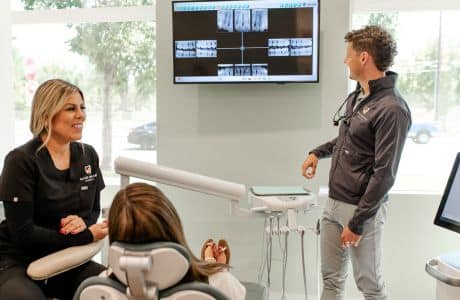
Dentures are a reliable and time-tested solution for replacing missing teeth. They restore your ability to chew, speak, and smile with confidence. However, like any dental appliance, dentures can sometimes come with challenges, especially if they don’t fit properly or haven’t been adjusted over time.
At High Desert Dental, we help patients address denture concerns quickly and comfortably. If you’re looking for the best dentist in Grand Junction, CO, understanding common denture problems and their solutions can help you maintain a healthy, functional smile.
1. Loose or Slipping Dentures
One of the most common complaints among denture wearers is looseness. Over time, your jawbone naturally changes shape, especially after tooth loss. As the bone shrinks, dentures may no longer fit as securely as they once did.
Signs of Loose Dentures:
Slipping while speaking or eating
Clicking sounds
Difficulty chewing
Needing excessive adhesive
The Solution:
A denture reline or adjustment can improve the fit. In some cases, a new denture may be necessary. For patients seeking a more stable long-term solution, implant-supported dentures offer significantly improved security and comfort.
Visiting the best dentist in Grand Junction, CO ensures your dentures are evaluated properly and adjusted for optimal function.
2. Sore Spots and Gum Irritation
It’s normal to experience mild tenderness when first wearing dentures, but ongoing pain or sore spots are not normal.
Causes:
Poor fit
Rough edges
Pressure points
Food trapped beneath the denture
The Solution:
Your dentist can smooth rough areas or adjust pressure points to relieve irritation. Never attempt to adjust dentures at home, as this can worsen the issue. Regular checkups allow your dental provider to catch minor problems before they become painful.
3. Difficulty Eating Certain Foods
Many denture wearers initially struggle with harder or stickier foods. This is especially true for lower dentures, which tend to move more due to less surface area for suction.
Tips for Easier Eating:
Cut food into small pieces
Chew slowly and evenly on both sides
Avoid extremely sticky foods
Start with softer options while adjusting
If chewing remains difficult, a denture adjustment or implant-supported option may greatly improve stability and comfort.
4. Speech Challenges
It’s common for patients to notice slight speech changes when they first begin wearing dentures. Words with “s” or “f” sounds may feel different at first.
The Solution:
Practice reading aloud to help your tongue and muscles adapt. In most cases, speech improves within a few weeks.
If speech problems persist, your dentures may need minor adjustments. The best dentist in Grand Junction, CO can assess whether the fit or positioning needs refinement.
5. Bad Breath or Odor
Dentures can trap food particles and bacteria if not cleaned properly. This may lead to bad breath or an unpleasant taste.
Prevention Tips:
Clean dentures daily with a soft brush
Soak them overnight in a denture solution
Rinse thoroughly before wearing
Clean your gums and tongue daily
Maintaining proper hygiene is essential for both comfort and overall oral health.
6. Cracks or Damage
Dentures are durable, but they are not indestructible. Dropping them or biting into something too hard can cause cracks, chips, or fractures.
What to Do:
If your dentures are damaged, avoid wearing them and contact your dentist immediately. Attempting to repair them at home with glue or over-the-counter kits can cause further damage.
Professional repair ensures your dentures maintain proper alignment and fit.
7. Changes in Facial Appearance
Over time, bone loss in the jaw can affect facial structure, leading to a sunken appearance around the cheeks and lips. Ill-fitting dentures can accelerate this effect.
The Solution:
Regular evaluations help ensure your dentures continue to support your facial muscles properly. Implant-supported dentures are especially effective at preserving jawbone density and facial structure.
Patients who consult the best dentist in Grand Junction, CO often discover that modern denture options provide improved support and a more youthful appearance.
8. Excess Saliva
Some patients experience increased saliva production when first wearing dentures. This is typically a temporary response as your mouth adjusts to the appliance.
Staying hydrated and practicing consistent wear helps your mouth adapt more quickly. If excessive saliva continues beyond a few weeks, your dentist can evaluate the fit.
The Importance of Regular Dental Visits
Even if you wear full dentures, regular dental visits remain essential. Your dentist will:
Examine gum health
Screen for oral cancer
Assess bone changes
Evaluate denture fit
Routine care ensures small problems are corrected before they become major concerns.
When to Consider Upgrading Your Dentures
If you’re frequently experiencing discomfort, looseness, or difficulty eating, it may be time to explore updated options. Advances in dental technology have made modern dentures more comfortable, natural-looking, and secure than ever before.
Implant-supported dentures, for example, provide exceptional stability and can significantly improve quality of life.
At High Desert Dental, we offer personalized solutions tailored to your comfort and long-term goals.
A Comfortable Smile Is Possible
Denture problems are common, but they are also manageable. Whether you need a minor adjustment, a reline, or a complete upgrade, professional care makes all the difference.
If you’re experiencing issues, don’t wait. Schedule an appointment with the best dentist in Grand Junction, CO at High Desert Dental. Our team is committed to helping you restore comfort, confidence, and full function to your smile.
With the right care and attention, your dentures can provide reliable support for years to come, allowing you to eat, speak, and smile comfortably every day.