How Bone Grafts Support Dental Implants

How Bone Grafts Support Dental Implants from High Desert Dental
Dental implants are one of the most reliable and long-lasting solutions for missing teeth. They restore function, protect jaw health, and create a natural-looking smile. However, not every patient immediately qualifies for implants. In some cases, the jawbone needs additional support before an implant can be placed. That’s where bone grafting plays an essential role.
At High Desert Dental, we help patients rebuild strong, healthy foundations for successful implants. If you’re searching for the best dentist in Grand Junction, CO, understanding how bone grafts support dental implants can help you feel confident about your treatment options.
Why Jawbone Health Matters for Dental Implants
Dental implants are designed to function like natural tooth roots. A small titanium post is placed into the jawbone, where it fuses with the bone in a process called osseointegration. This fusion creates a stable base for a crown, bridge, or denture.
For an implant to succeed, there must be enough healthy bone to hold it securely in place. When bone density is insufficient, the implant may not integrate properly, leading to instability or failure.
This is why bone health is evaluated carefully before implant placement.
What Causes Bone Loss?
Bone loss in the jaw is common after tooth loss. When a tooth is missing, the bone that once supported it no longer receives stimulation from chewing forces. Over time, the body begins to reabsorb the unused bone.
Other causes of bone loss include:
Gum disease (periodontitis)
Trauma or injury
Infection
Long-term denture use
Developmental conditions
Without intervention, bone loss can progress, making implant placement more challenging. Fortunately, bone grafting can rebuild the necessary support.
What Is a Bone Graft?
A bone graft is a procedure that adds bone material to areas of the jaw where bone density has diminished. The graft material acts as a scaffold, encouraging your body to generate new bone cells and rebuild the weakened area.
Over time, the graft integrates with your natural bone, creating a stronger, more stable foundation for dental implants.
Patients visiting the best dentist in Grand Junction, CO often learn that bone grafting opens the door to implant treatment they previously thought wasn’t possible.
Types of Bone Grafts
There are several types of bone graft materials used in modern dentistry:
Autografts
Bone taken from another area of your own body.
Allografts
Processed donor bone from a tissue bank.
Xenografts
Bone material derived from animal sources.
Synthetic grafts
Biocompatible materials designed to stimulate bone growth.
Your dentist will recommend the most appropriate option based on your specific needs and treatment goals.
When Is a Bone Graft Needed?
Bone grafts may be recommended in several situations:
After Tooth Extraction
Sometimes a graft is placed immediately after a tooth is removed to preserve bone volume. This is called socket preservation.
Before Implant Placement
If significant bone loss has already occurred, a graft may be needed months before implant surgery to rebuild the area.
Sinus Lift Procedures
For implants in the upper back jaw, a sinus lift combined with bone grafting may be necessary to create adequate height for implant placement.
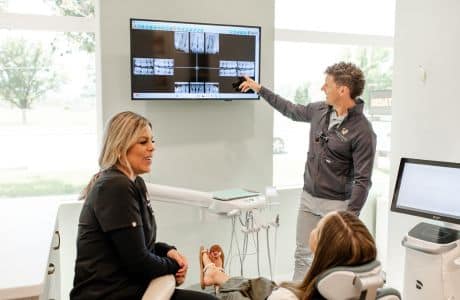
At High Desert Dental, thorough imaging and evaluation ensure we determine whether grafting is needed before proceeding with implants.
The Bone Grafting Process
The procedure itself is typically straightforward. After numbing the area for comfort, the graft material is placed where bone is deficient. The site is then secured and allowed to heal.
Healing time varies depending on the size of the graft and your body’s natural healing ability. In many cases, it takes several months for the new bone to fully integrate and become strong enough to support an implant.
While this may seem like a lengthy process, it significantly increases the long-term success of your dental implant.
Benefits of Bone Grafting for Implants
Bone grafting offers several important advantages:
Improved Implant Stability
A strong jawbone ensures the implant remains secure and durable.
Prevention of Further Bone Loss
The graft stimulates new bone growth, helping maintain facial structure.
Enhanced Aesthetics
Proper bone support allows for natural-looking implant placement.
Expanded Treatment Options
Patients previously told they weren’t candidates for implants may become eligible after grafting.
Choosing the best dentist in Grand Junction, CO ensures your treatment plan prioritizes both function and appearance.
Does Bone Grafting Hurt?
Many patients are surprised to learn that bone grafting is generally well-tolerated. Modern techniques and local anesthesia make the procedure comfortable. Mild swelling or soreness afterward is normal and typically manageable with over-the-counter medication.
Your dental team will provide detailed aftercare instructions to promote smooth healing.
Long-Term Impact on Oral Health
Bone grafting does more than support implants, it protects your overall oral health. Maintaining strong jawbone structure helps:
Preserve facial contours
Prevent shifting teeth
Support long-term bite alignment
Reduce future complications
By rebuilding lost bone, you’re investing in the stability and longevity of your smile.
A Strong Foundation for a Confident Smile
Dental implants are one of the most advanced restorative solutions available today. But their success depends on a solid foundation. Bone grafting provides the support necessary for implants to function just like natural teeth.
At High Desert Dental, we take a comprehensive approach to implant planning. If bone loss is present, we develop a customized treatment strategy to rebuild and restore your oral health properly.
If you’ve been told you may not qualify for implants, or if you’re exploring tooth replacement options, schedule a consultation with the best dentist in Grand Junction, CO. With the right preparation and care, even patients with bone loss can enjoy the long-term benefits of dental implants.
A healthy, complete smile starts with a strong foundation, and bone grafting makes that possible.